Introduction
Duration: September 2021 - April 2022
Roles: Researcher, Illustrator, Designer, Fabricator
Team Member (Alexandra Charland): Researcher, Author, Fabricator
Tools: Adobe Illustrator, Printer, Cameo 4 Vinyl Cutter, and Fabrication Tools
Sponsor: ACME Lab at CU Boulder
Summary:
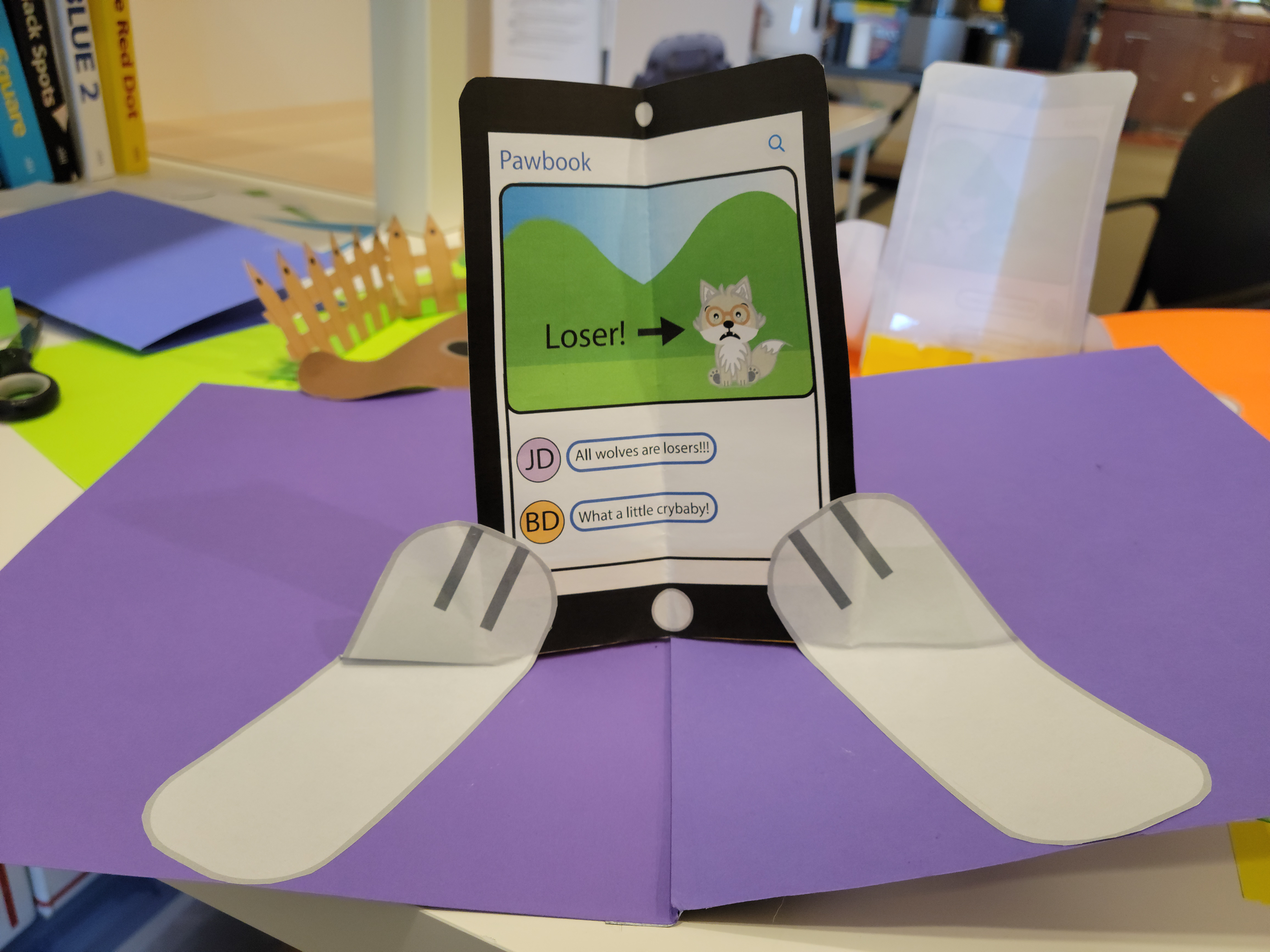
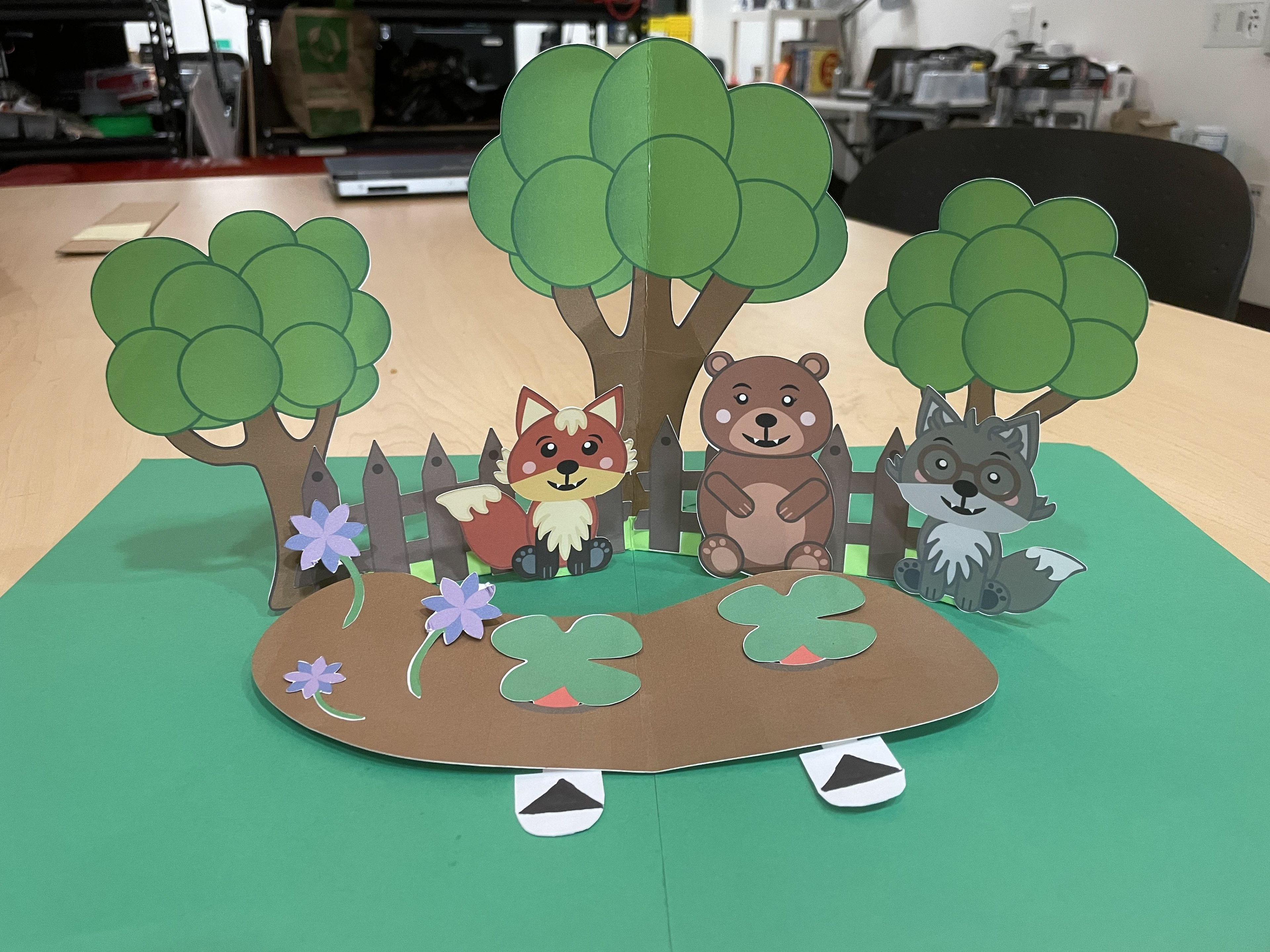
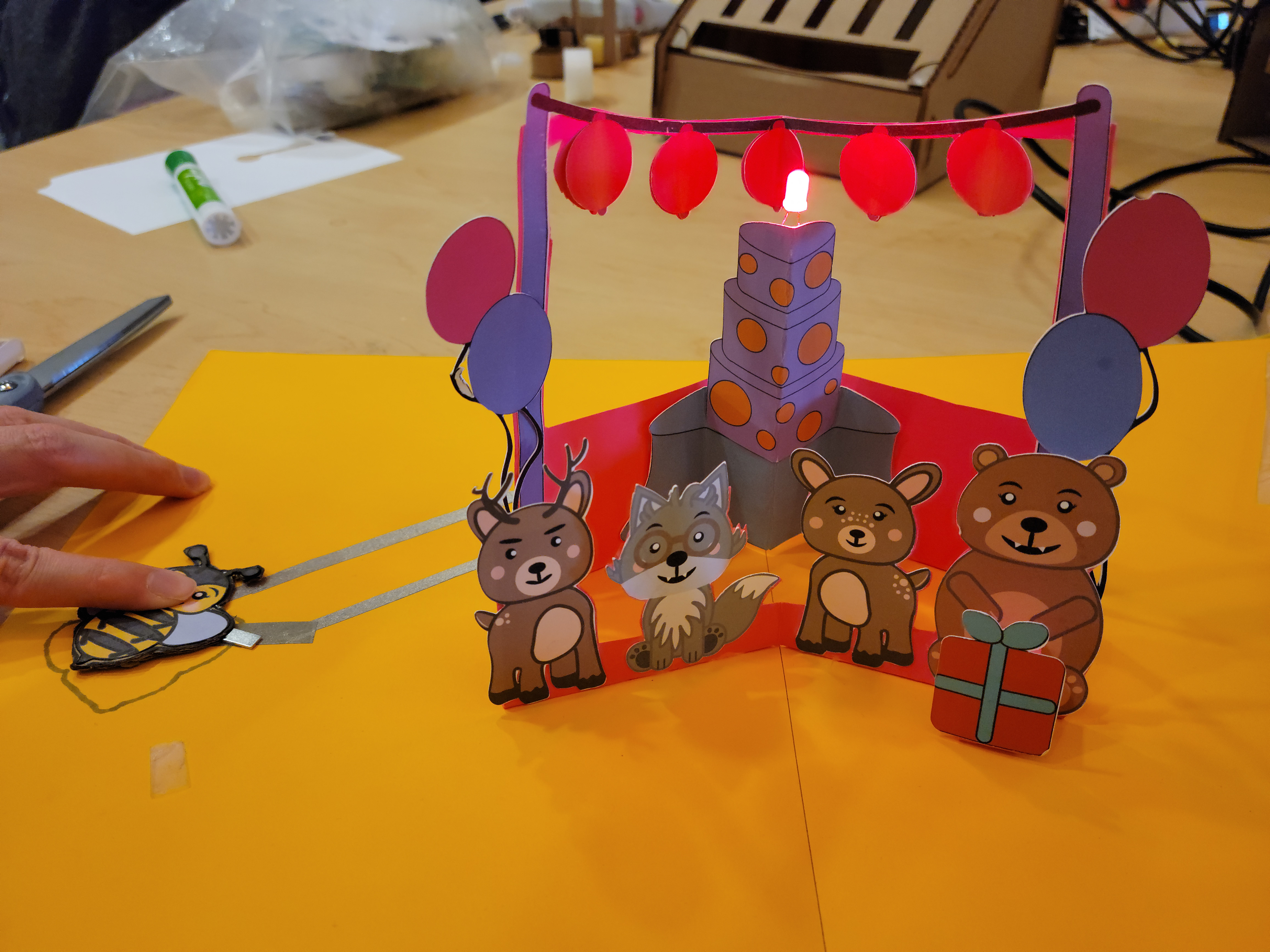
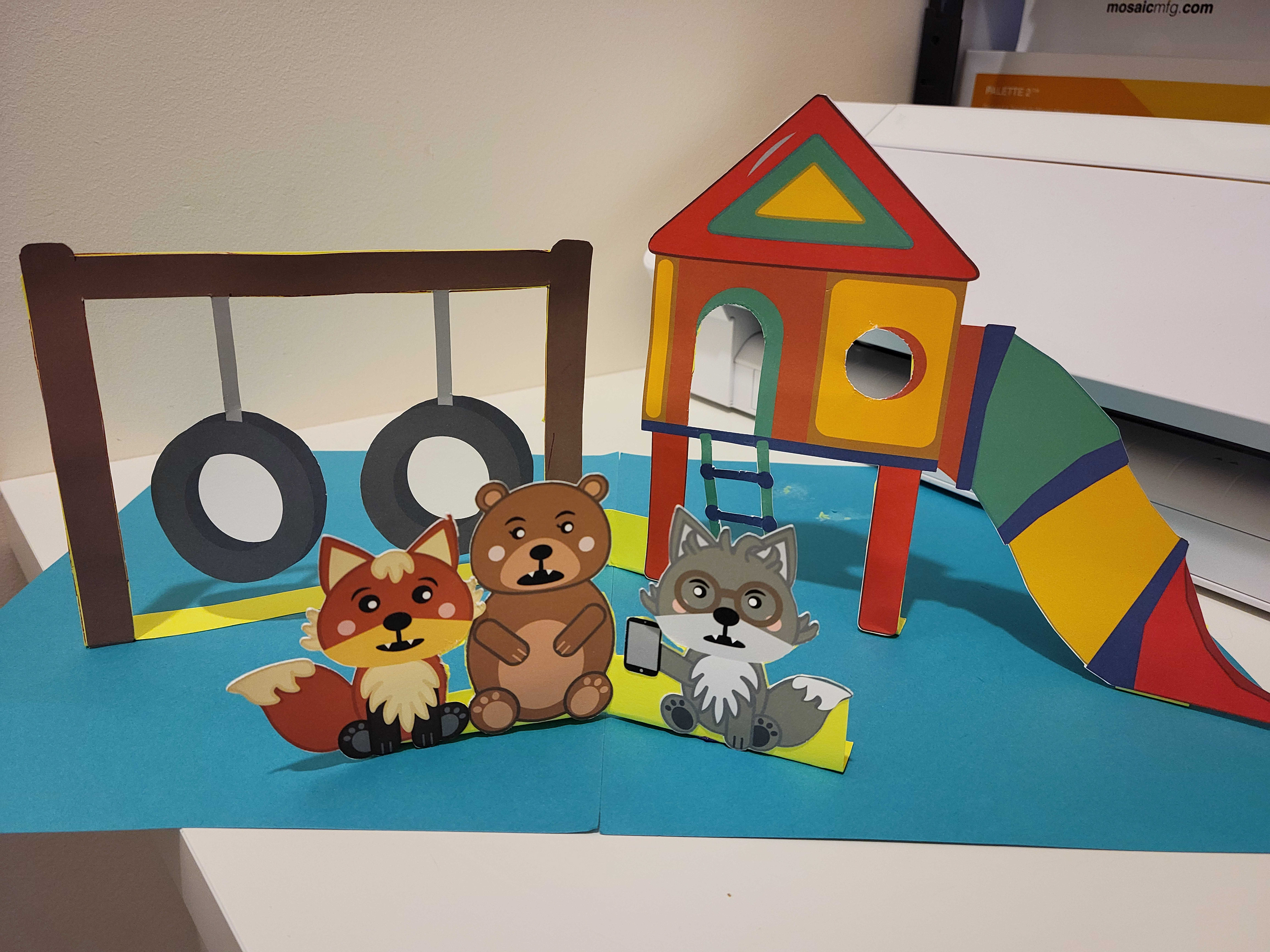
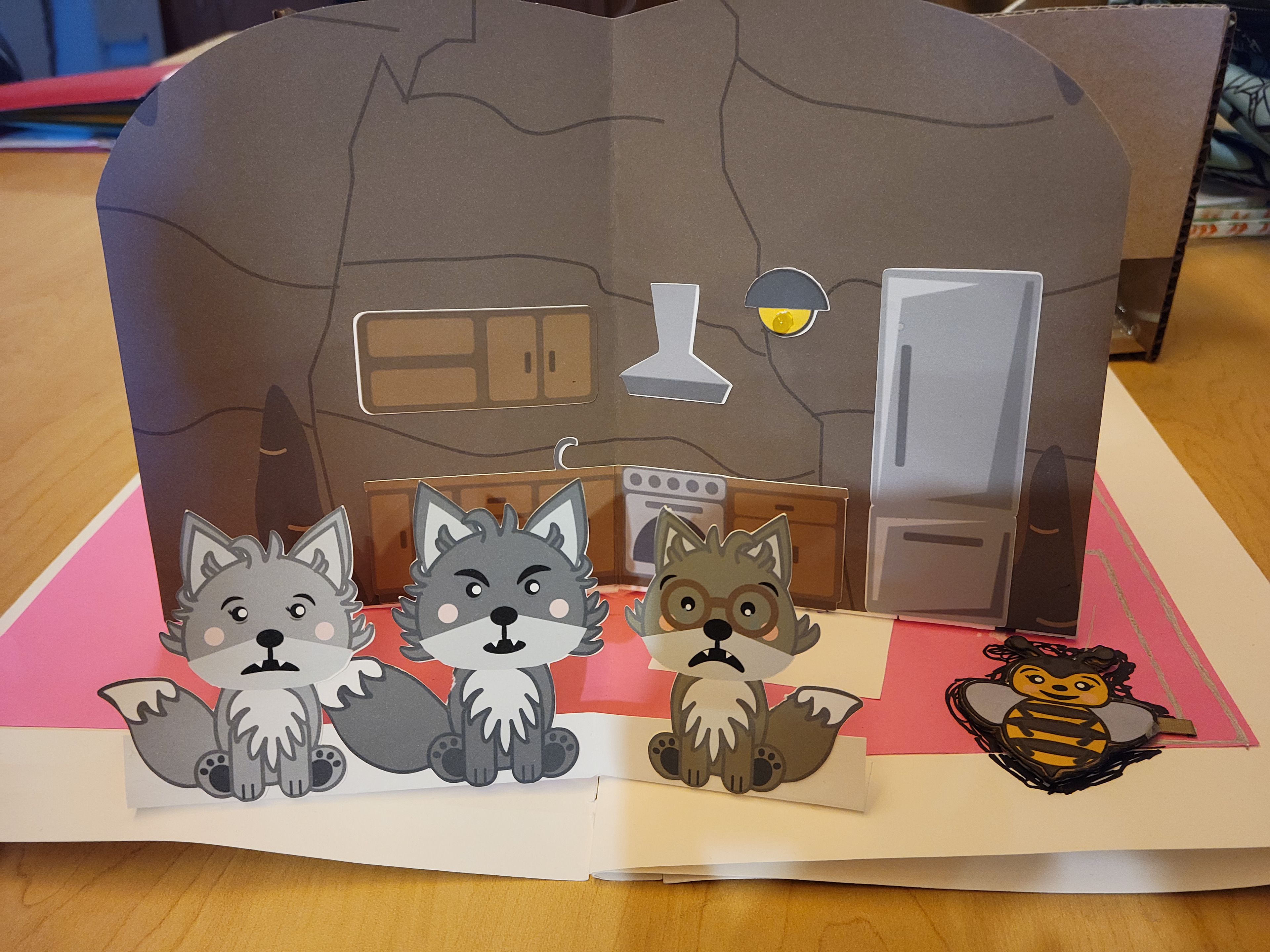
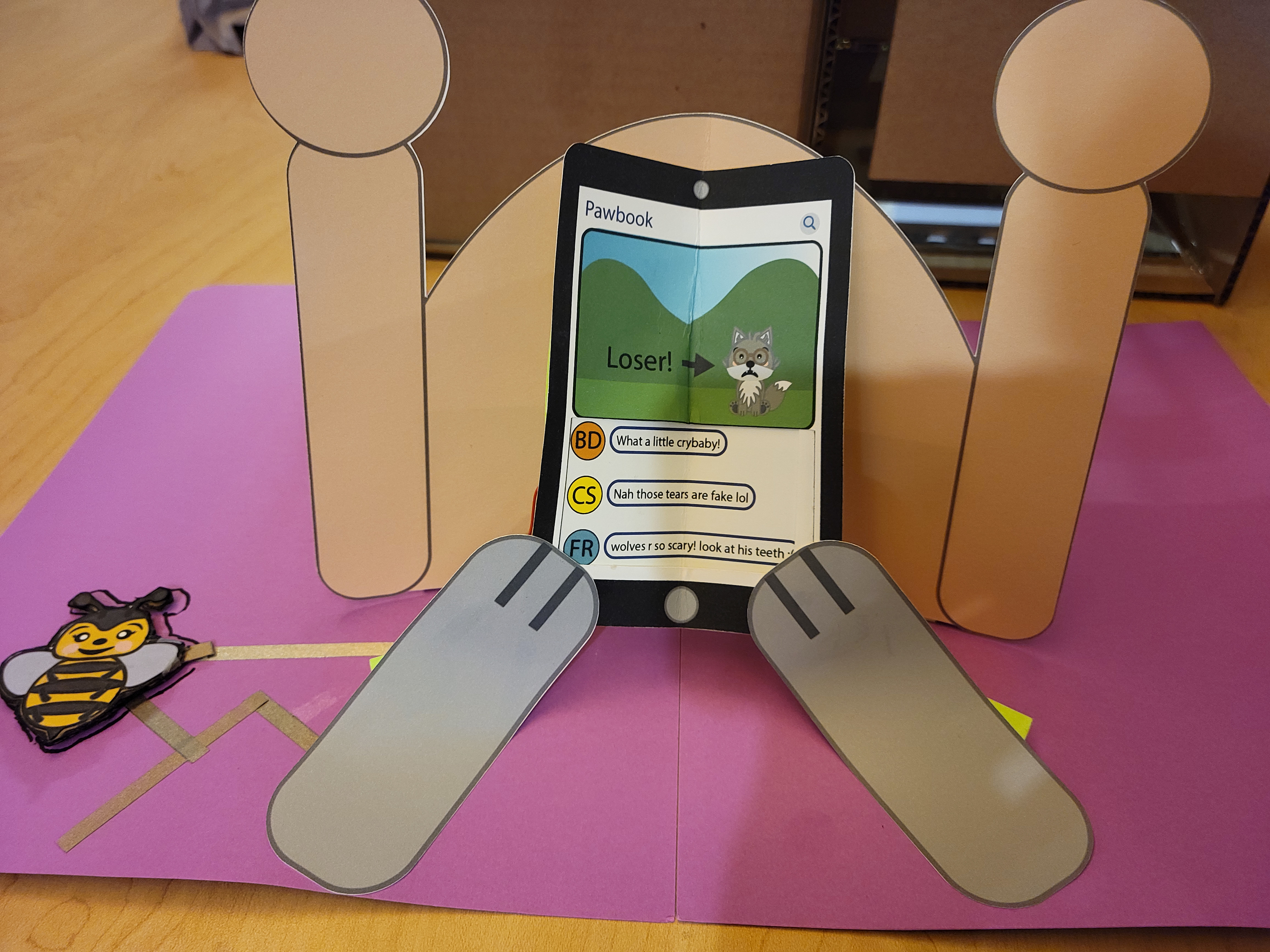
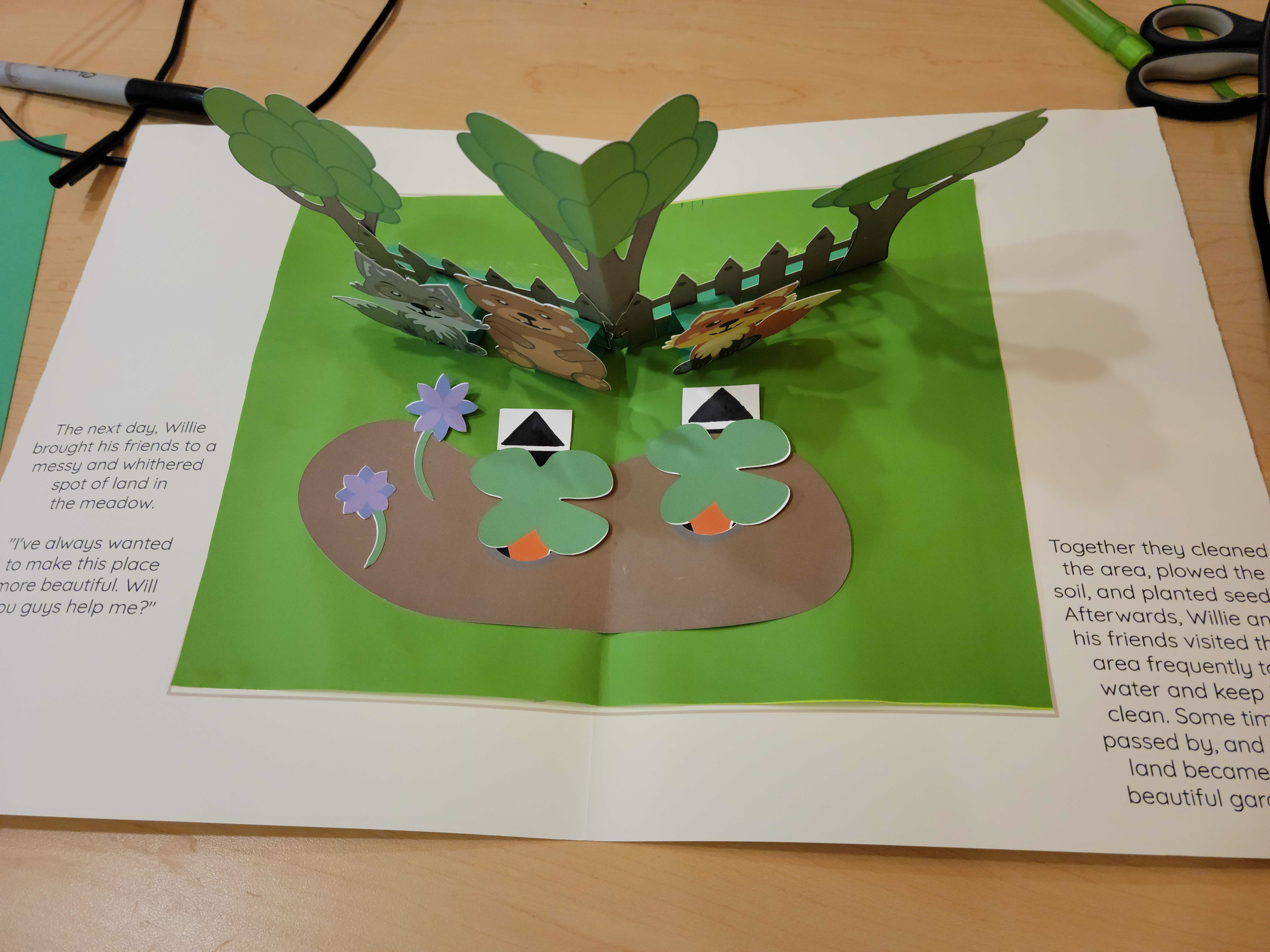
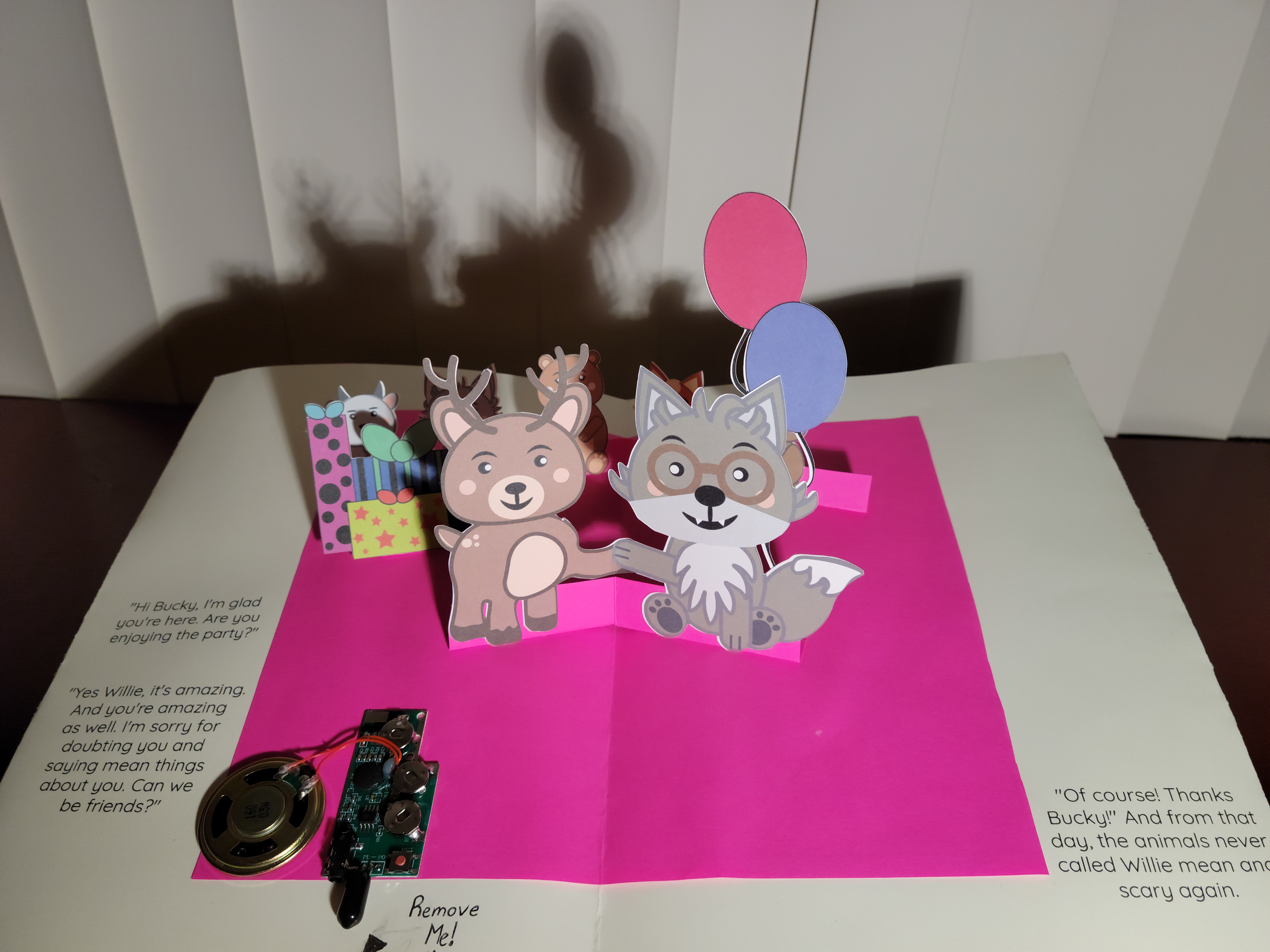
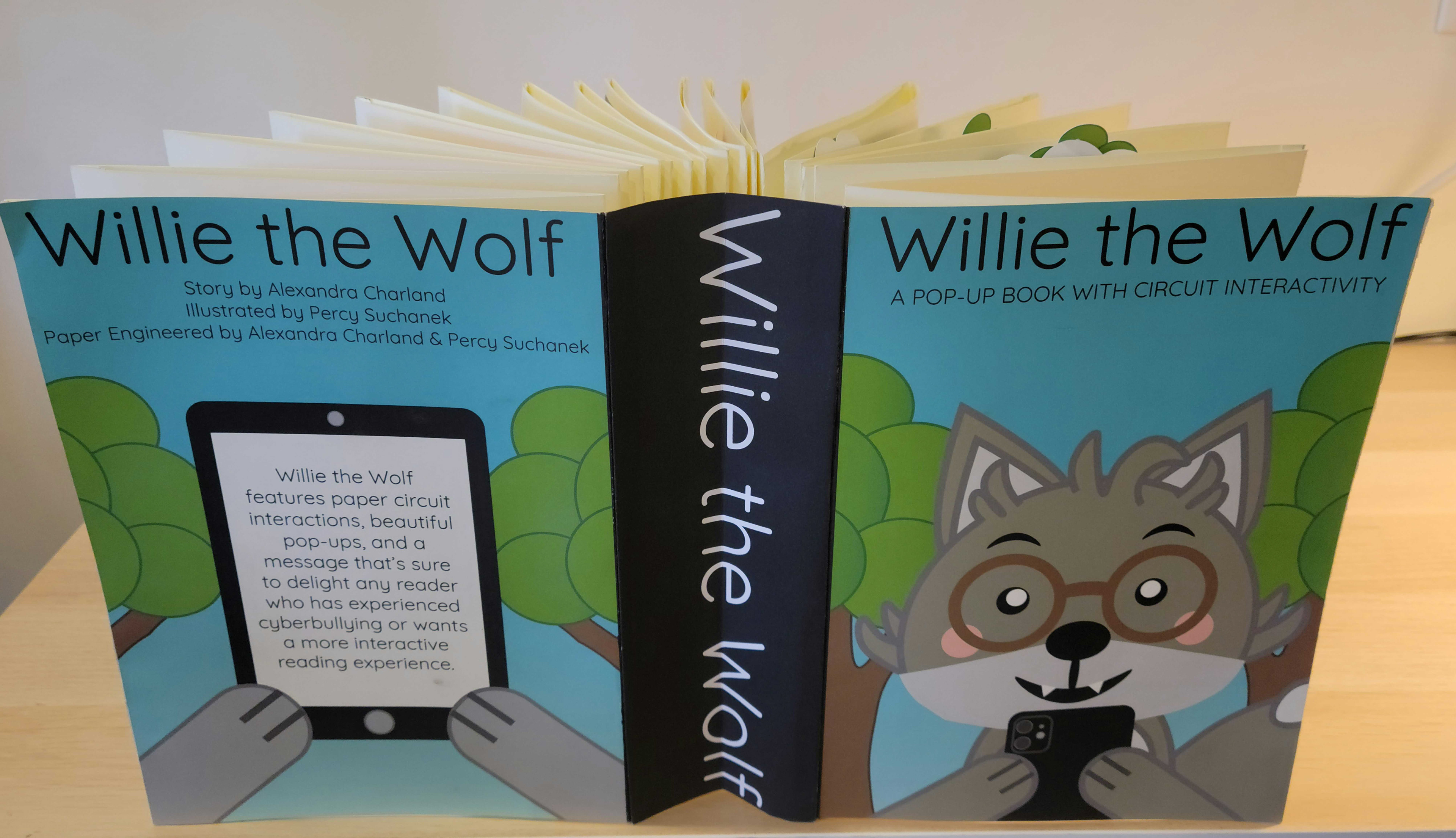
Willie the Wolf is a children's pop-up book featuring interactive paper circuits with a story that aims to connect with children on the topic of cyberbullying, while sparking their interest in circuits and STEAM education.
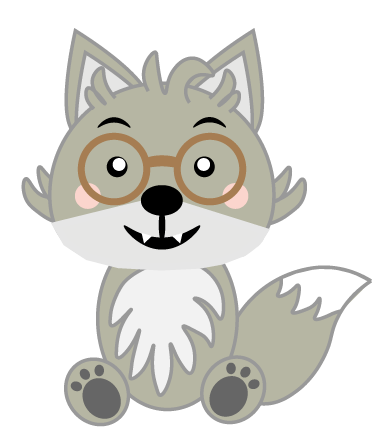
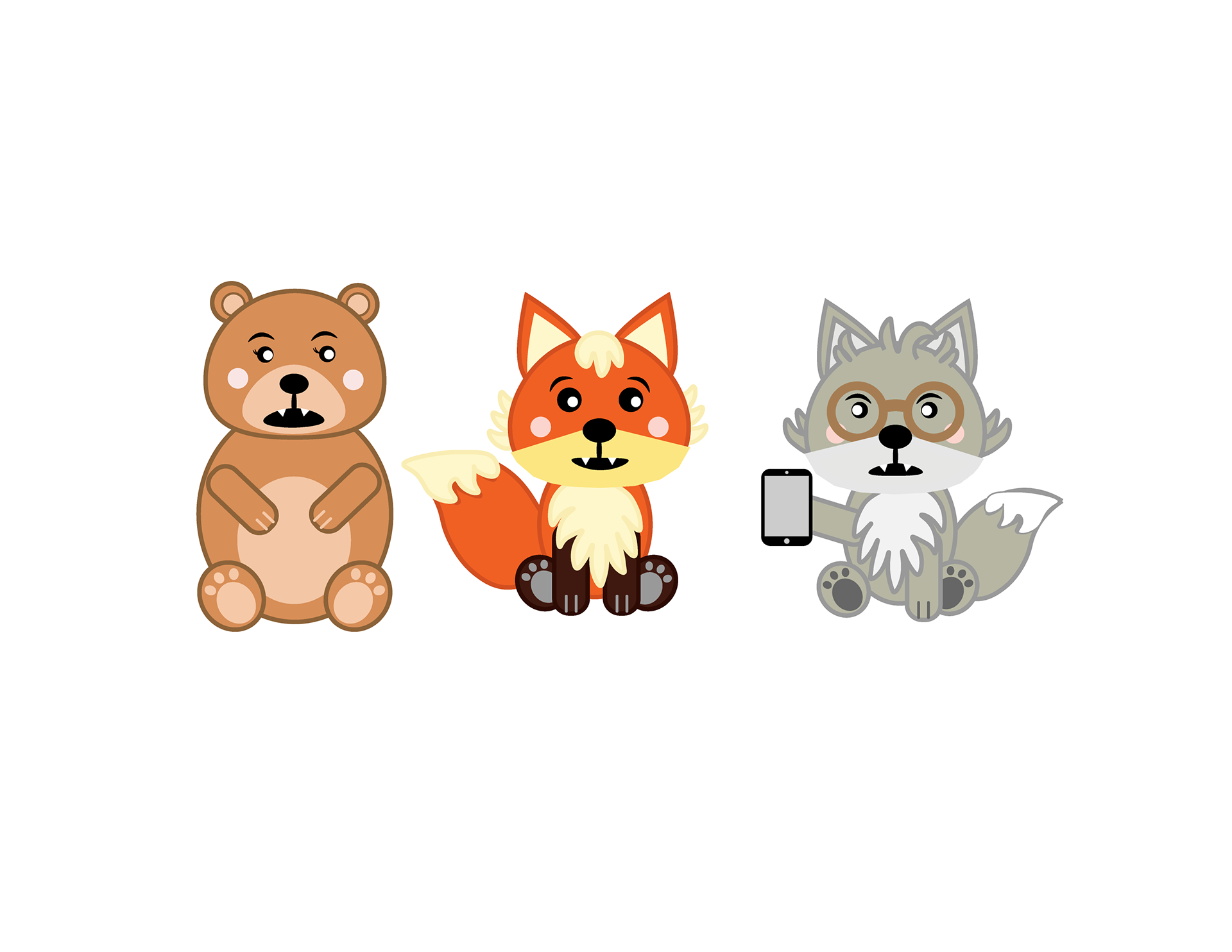
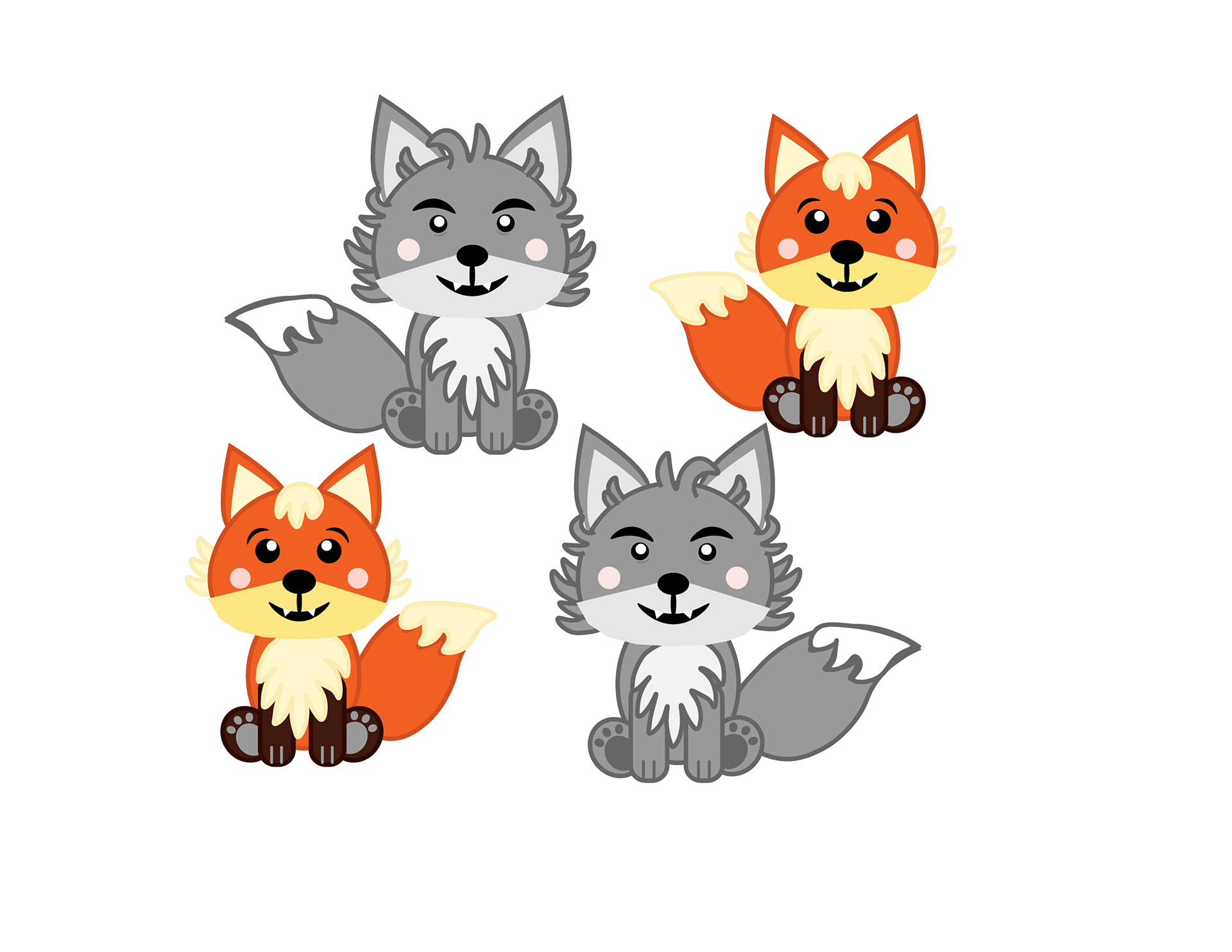
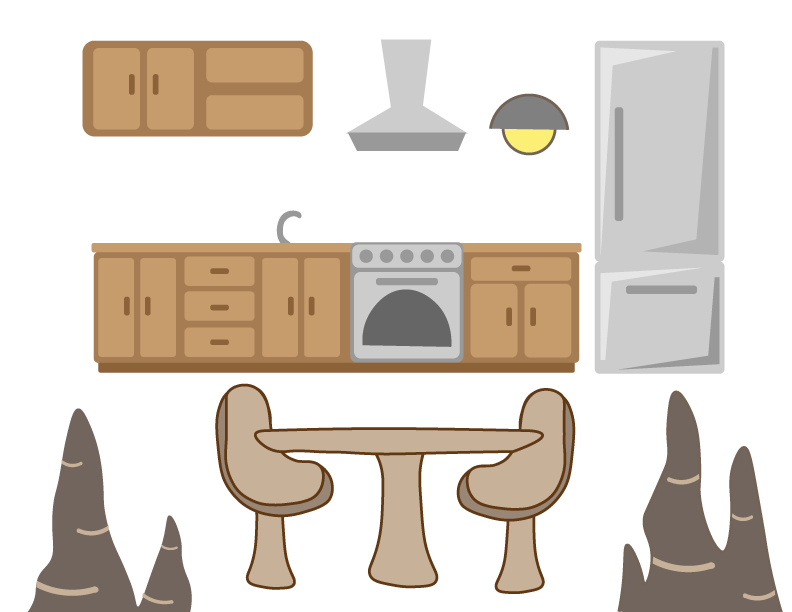
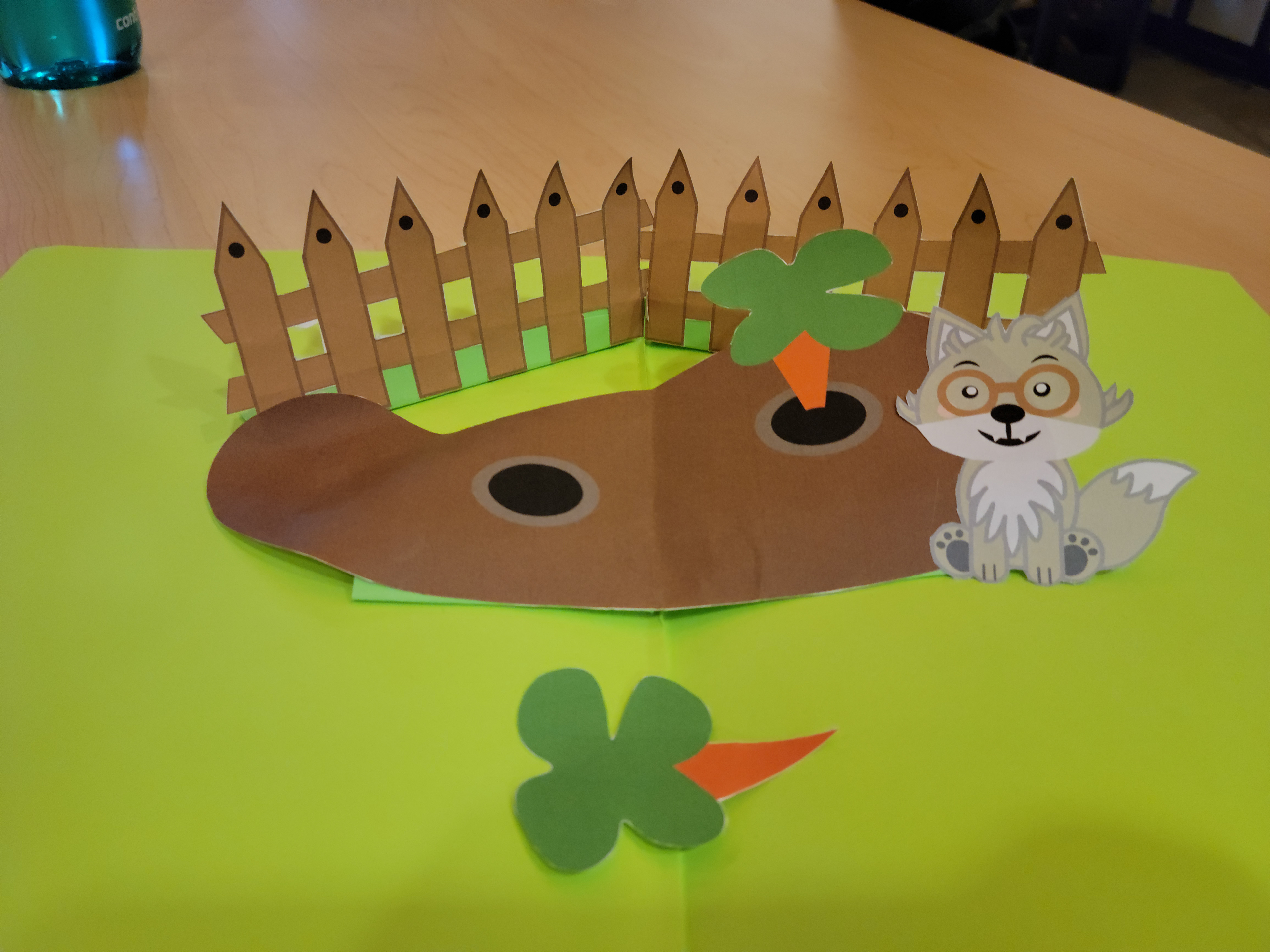
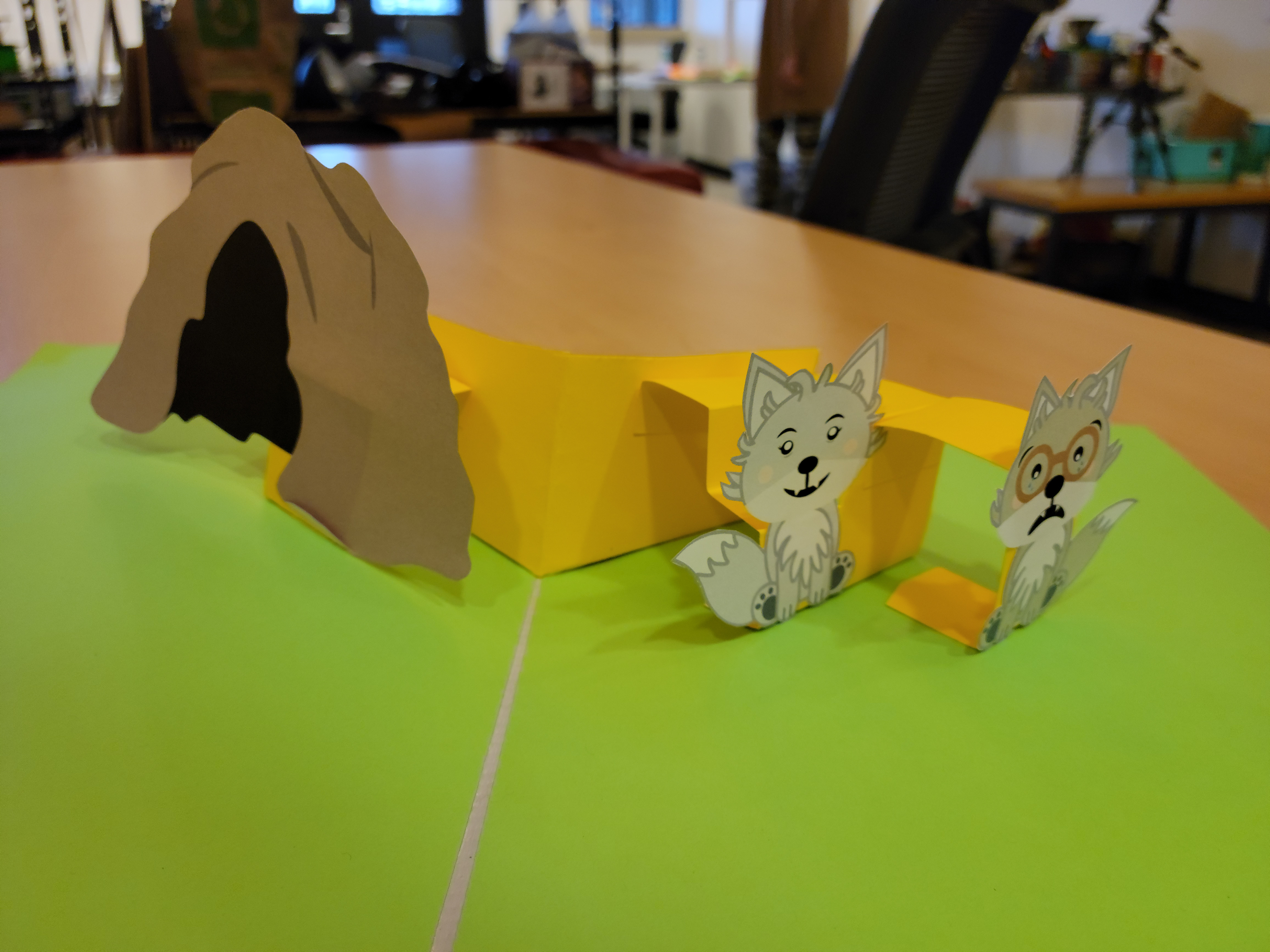
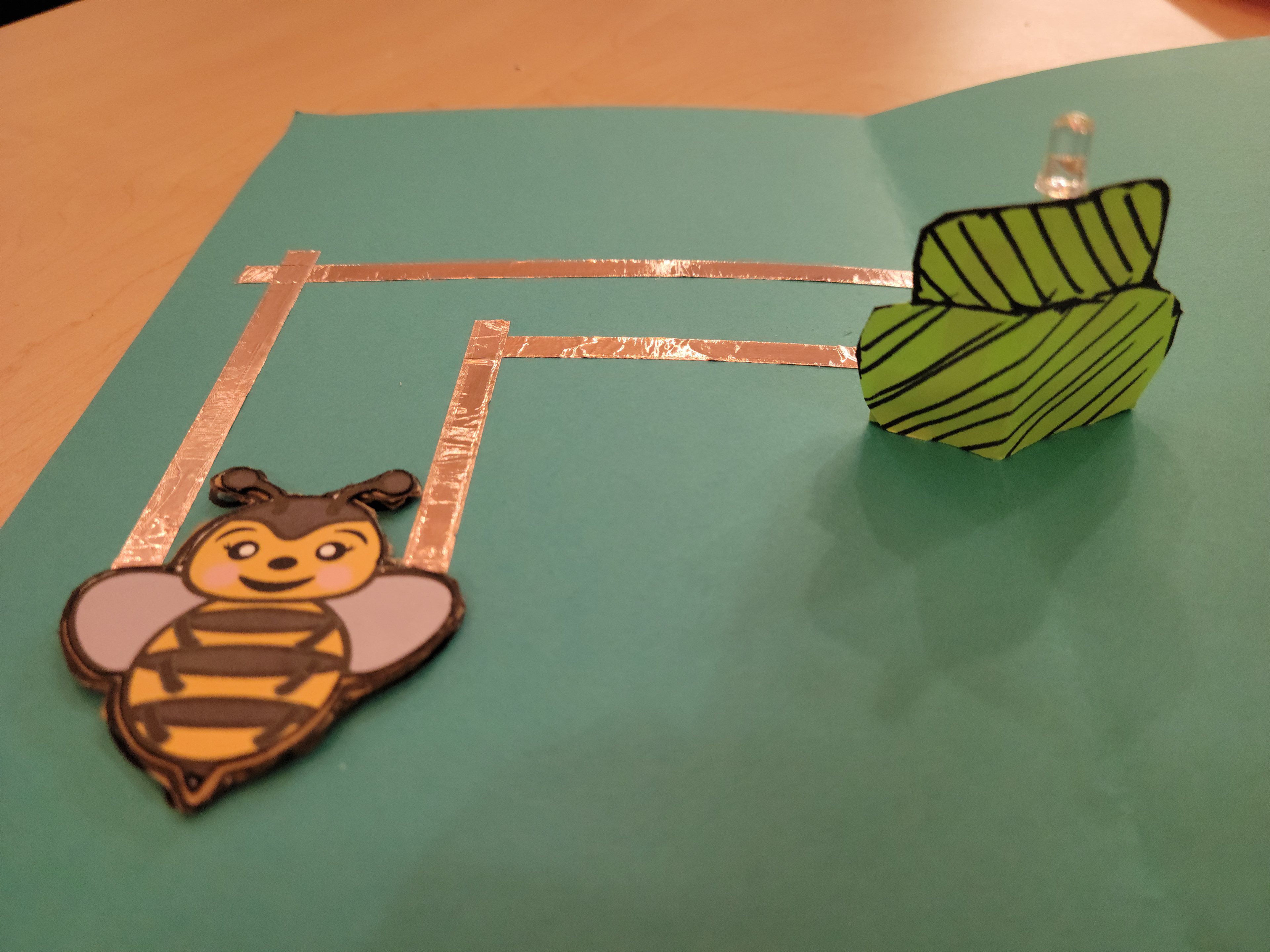
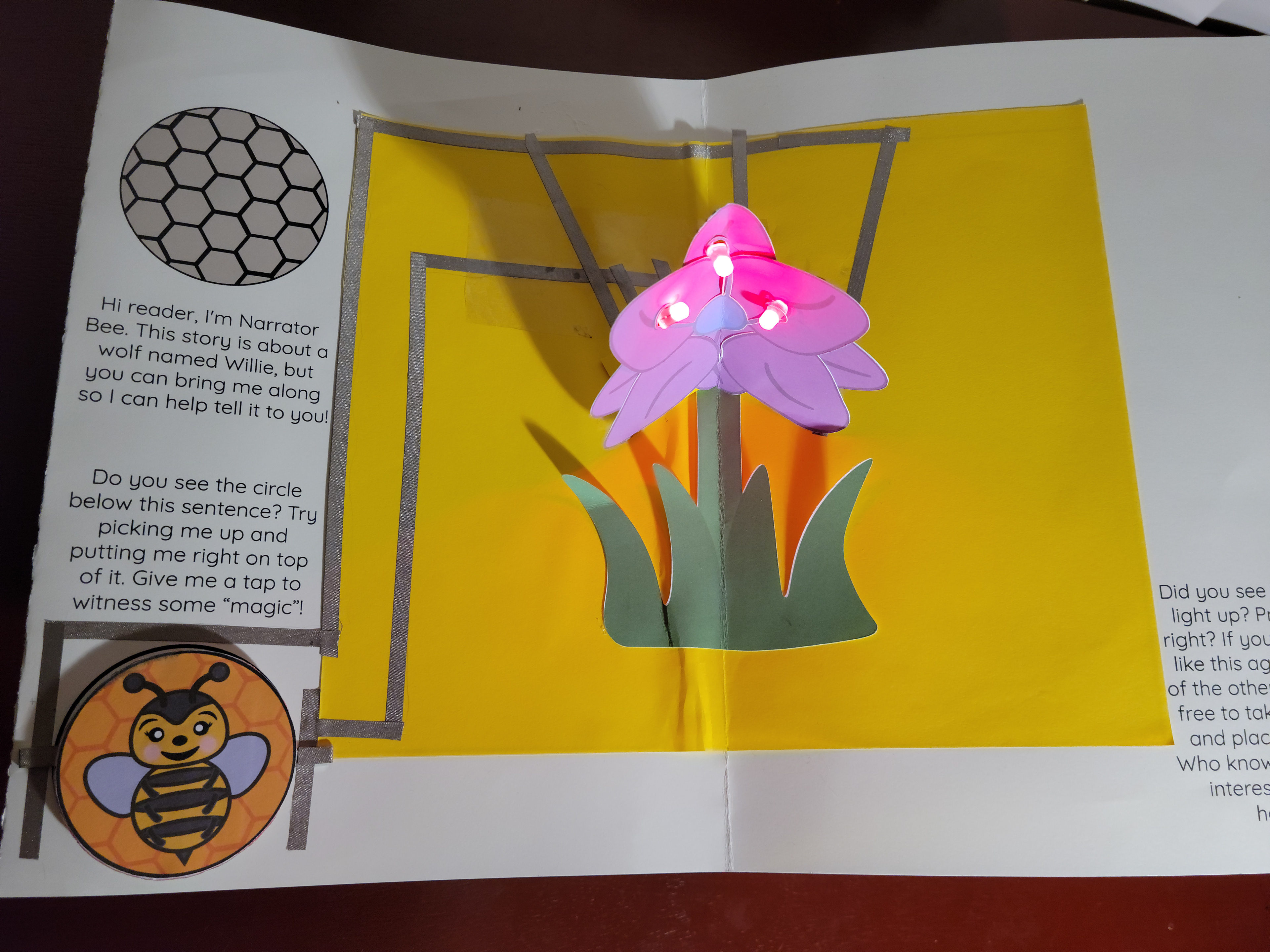
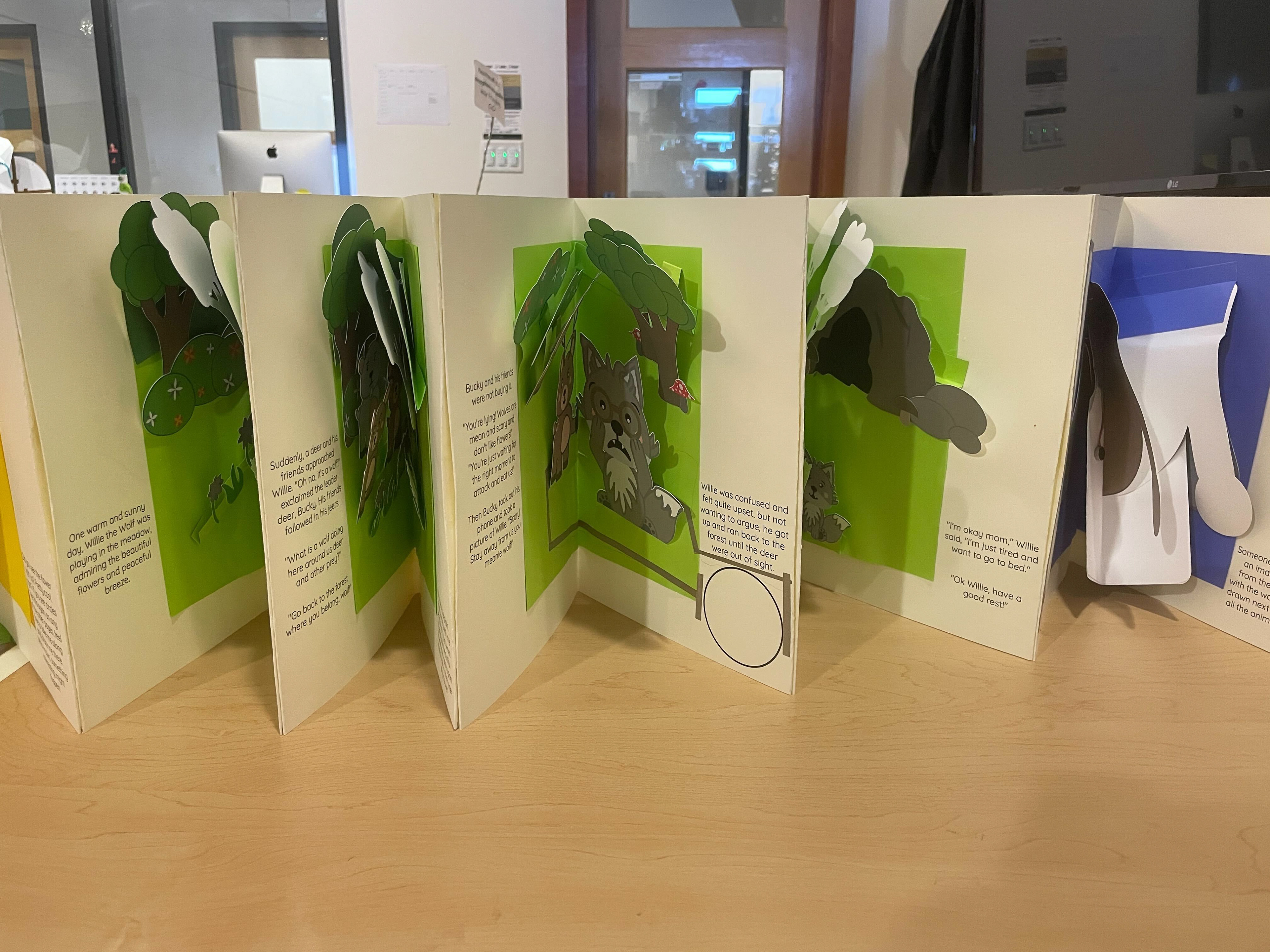
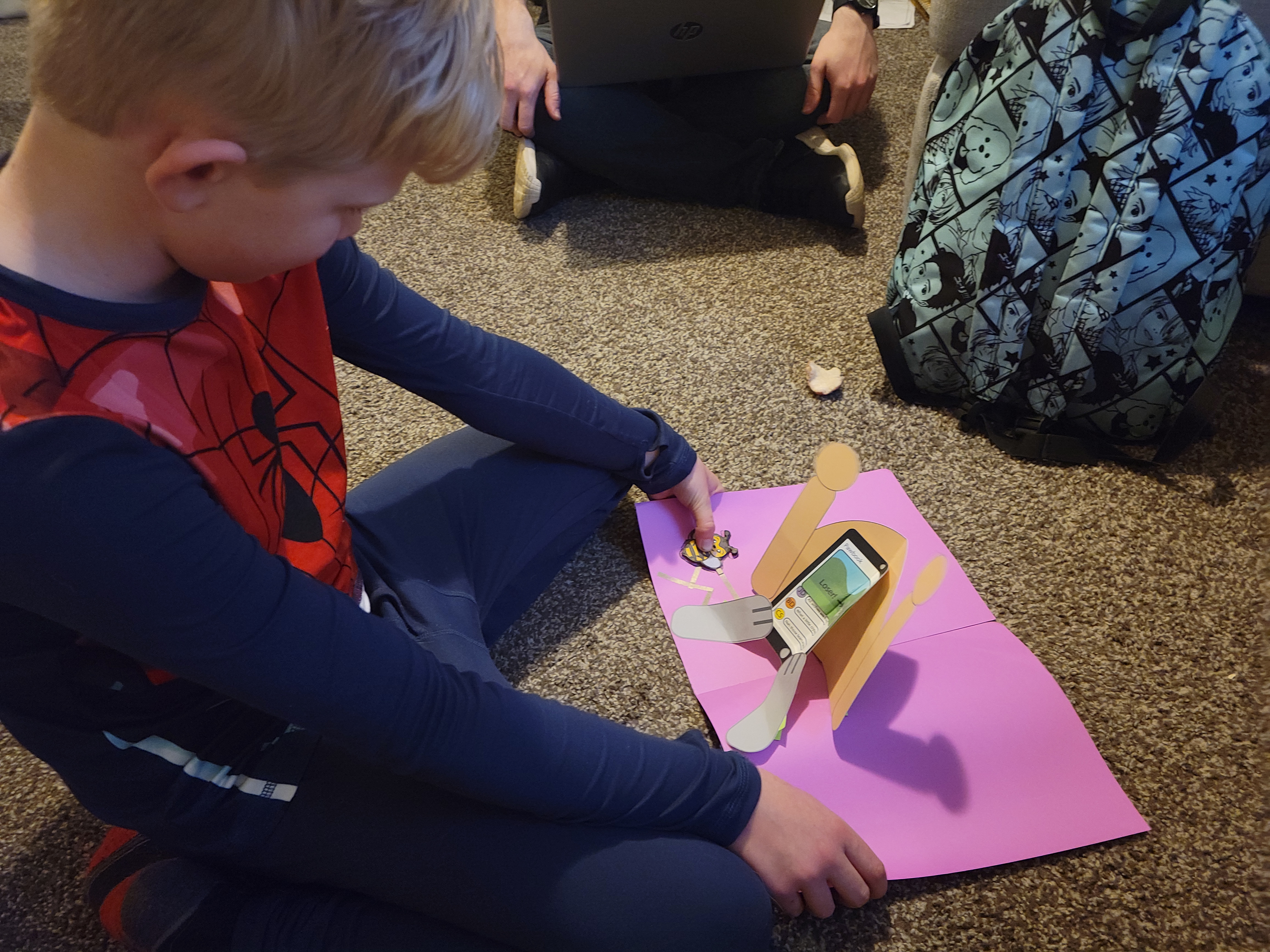
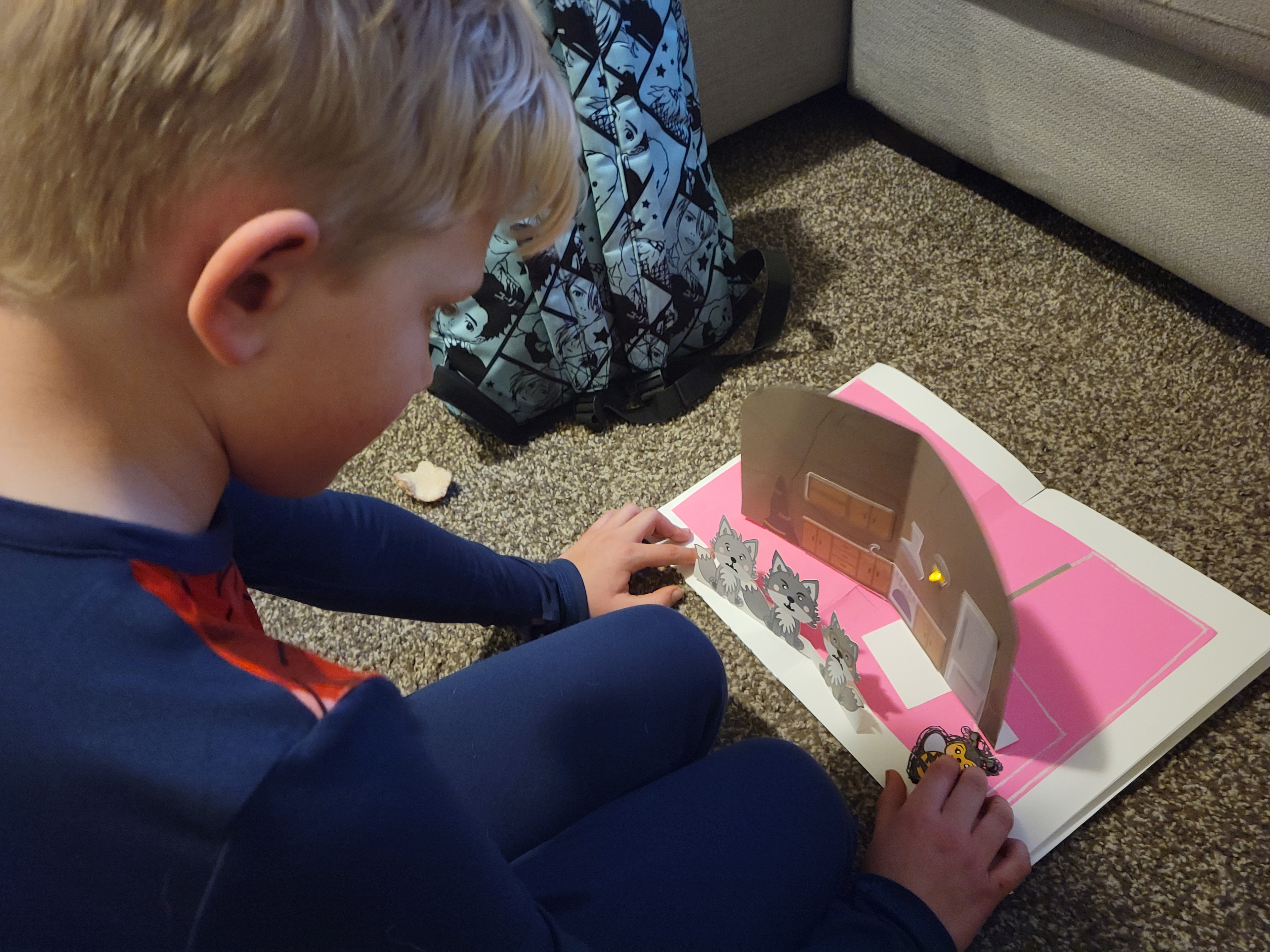
Our project features paper circuits made with LEDs and vibration and constructed with nylon tape. Each page has original illustrations made in Adobe Illustrator and focuses on our narrative about a wolf named Willie who experiences cyberbullying, however instead of letting the negative stereotypes made against wolves get to him, Willie decides to show kindness to the bully and prove that he is a kind and friendly wolf. Every illustration is made with cardstock to provide sturdy pop-ups and allow for easier circuit setups.
Problem:
58% of children reported that someone had said something hurtful to them online. 1 out of 4 had it happen more than once. (Cyberbullying Statistics: What the Facts Mean for You | Education.com)
There are very few children's books on the topic of cyberbullying, and reading is not treated as an interactive, playful, learning experience.
Research
Background:
This research study is to support the development of my book, Willie the Wolf, and to learn more about how children respond to STEAM education techniques while teaching them about a relevant topic.
Goals:
Discover children's knowledge about circuits, learn about any pain points in their reading experience, learn more about children's mental models for applying lessons learned from reading, and discover appropriate age range for the book.
HX Testing Round 1:
For this round, we focused on testing the story we had already written and a few illustrations we had done. We wanted to discover if this project would be helpful to our audience, and we wanted to narrow down our age range.
Methodology:
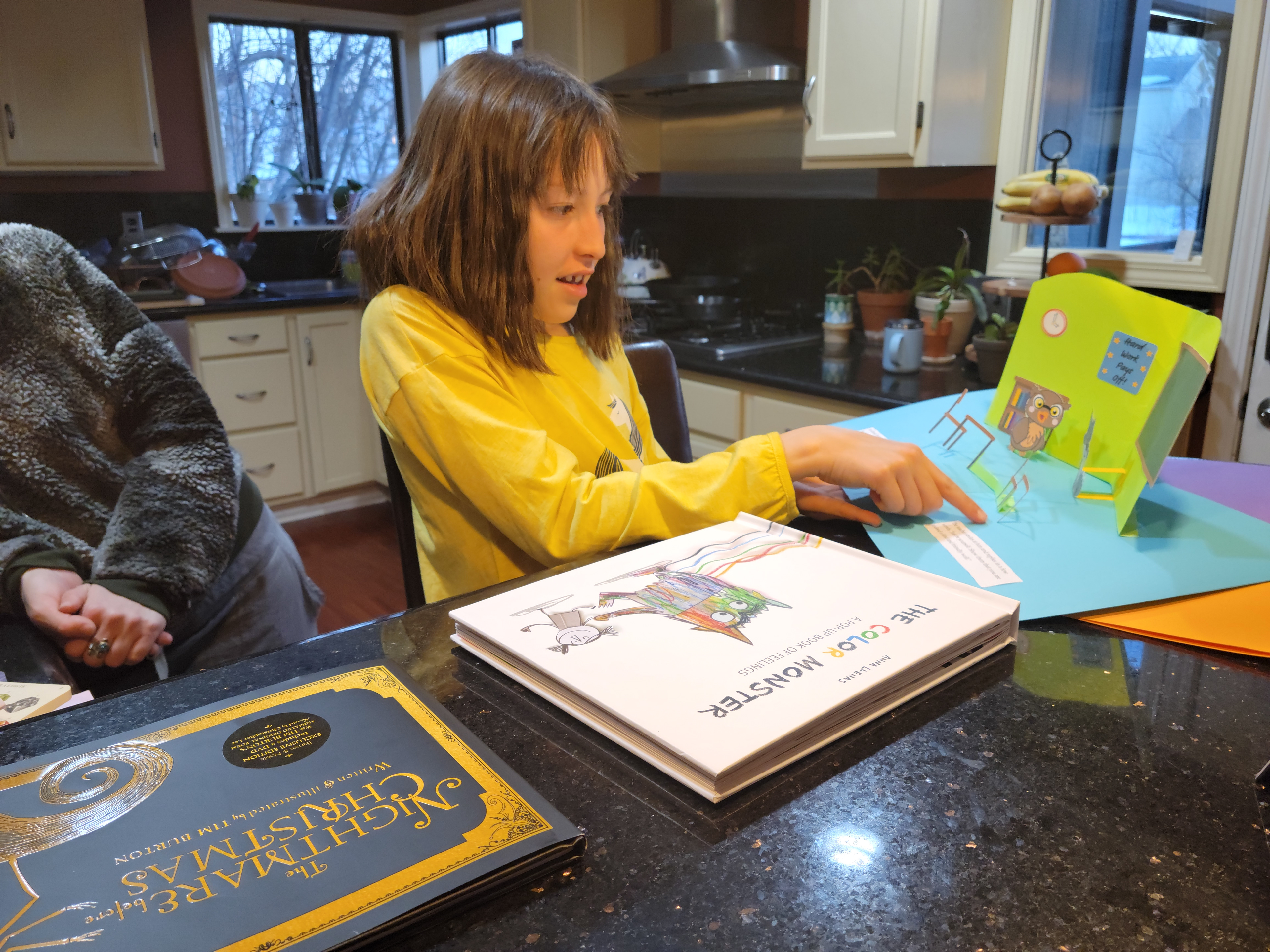
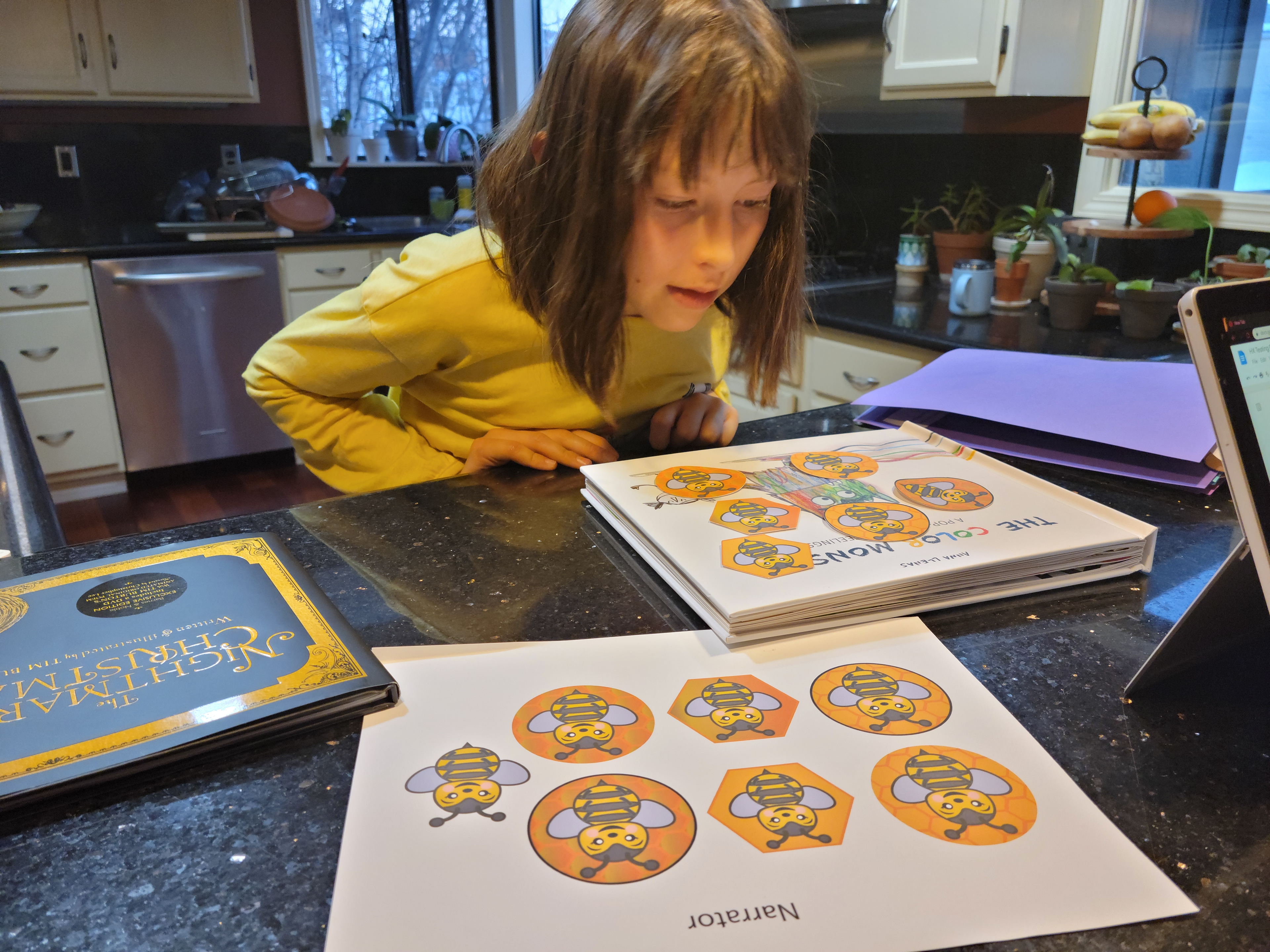
This will be a 1:1 interview consisting of 3 participants. Each participant session will last 30 minutes. Interviews will happen in over zoom.
Participant Screening:
~Inclusive to all identities!
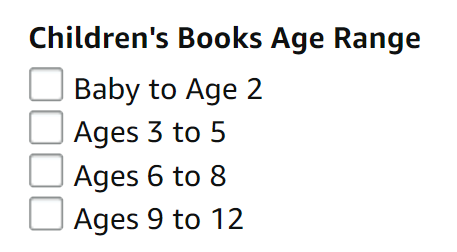
~Age range 7-11 years old (Used Amazon book range on right to determine reading age sections)
Interview Questions and Materials:
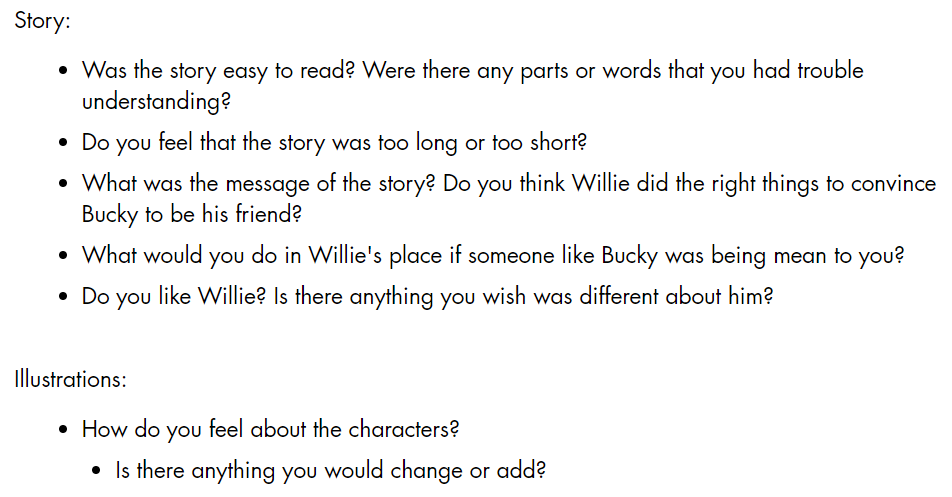
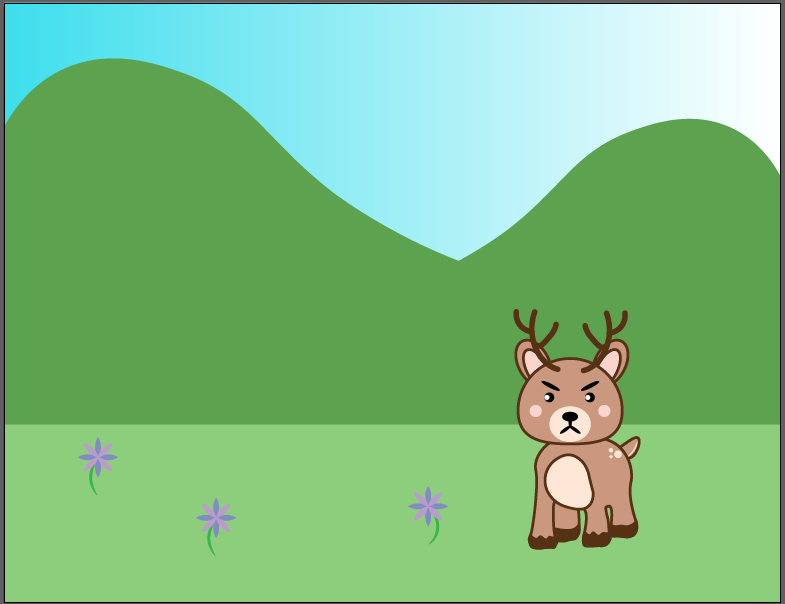
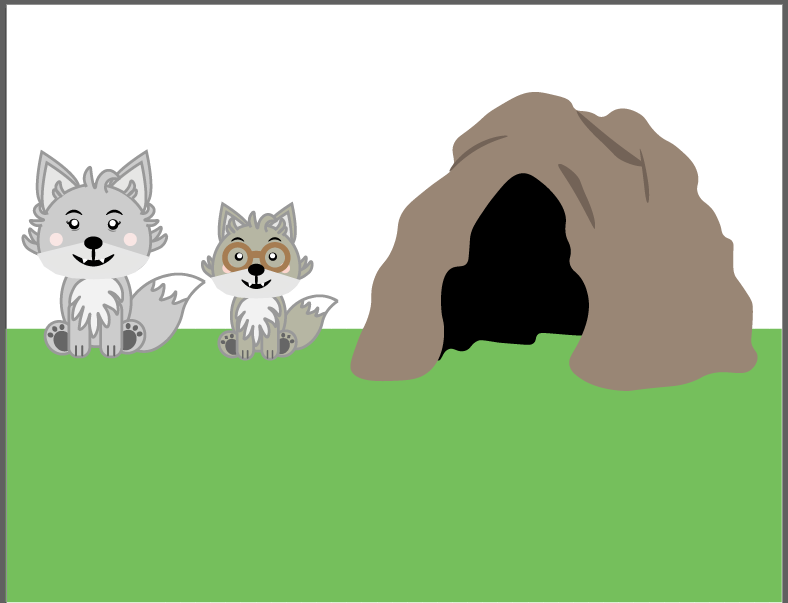
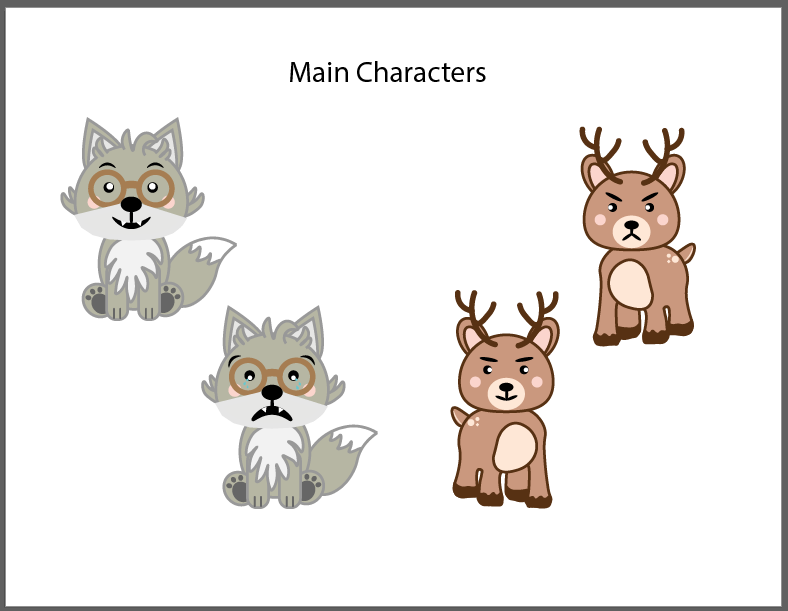
Interview Findings and Analysis:
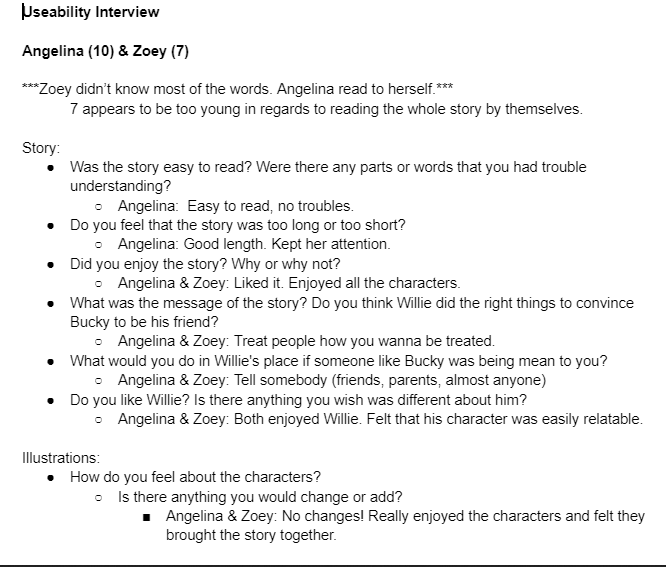
The most important feedback received was that Zoey (7) was not able to read the story by herself. Her mom said that Zoey knew some of the words but not enough to read by herself.
Other feedback received was that Angelina (10) had no difficulty with the story in regard to wording, length, and tone. Both girls enjoyed the story and illustrations, understood the message of treating others how you want to be treated, and understood the importance of telling someone when you are being bullied.
From this feedback, we can begin to better decipher our age group for our project. From our findings, we shouldn't have our age range be below 9, since we want our readers to be able to interact with the story without parental guidance.
User Personas:
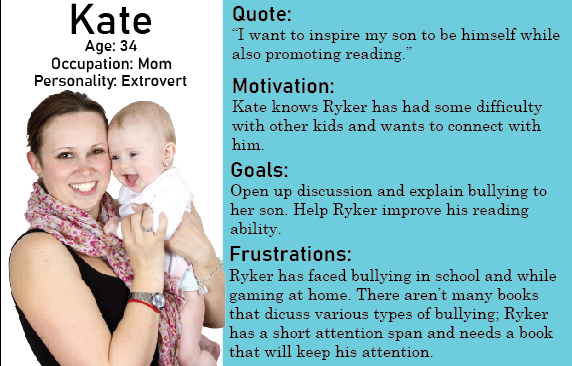
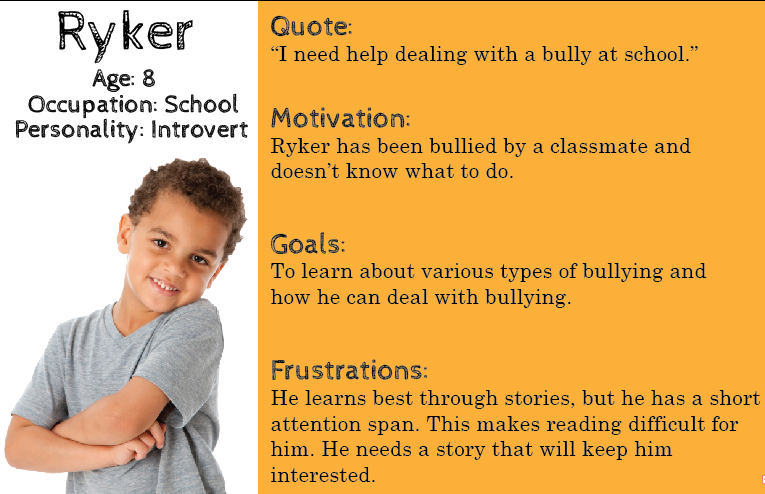
When creating user personas, we wanted to think about our potential target audience as well as our secondary audience. In relation to our project, our target audience would be 8 to 10 year olds and our secondary audience would be their parents that are going out and "buying" our book for their kids.
Competitive Analysis:
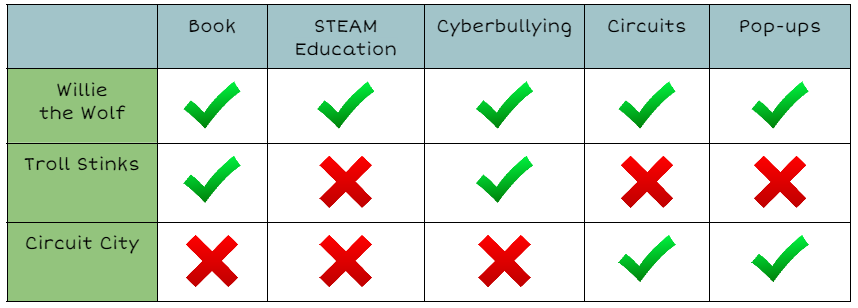
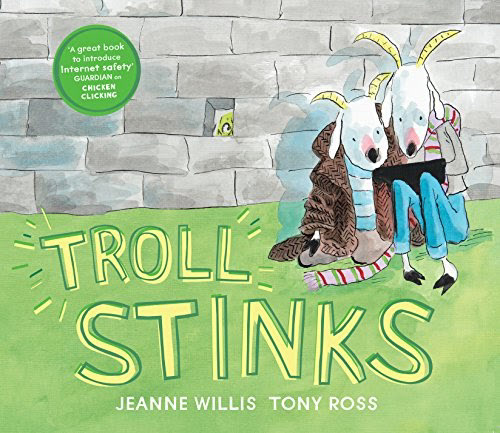
When looking for the topic of cyberbullying, we only found a few children's books that covered it. Troll Stinks is the closest match to what we wanted for our book. We wanted our story to also include animals, but we wanted our story to be from the victim's perspective instead of the bully's perspective.
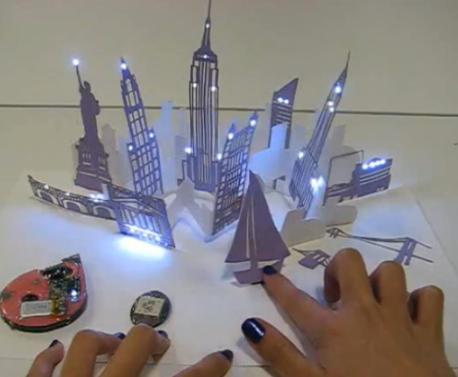
When looking at circuit examples, we found Circuit City. Similar to this we wanted pop-ups with built in circuits, but we wanted more of a story around the pop-ups, and we wanted strictly paper circuits with no Arduino boards or programming needed.
Design
Problem Statement:
The current state of reading has focused on it being just a learning experience. What existing products fail to address is how we can turn reading into a STEAM experience, while explaining the prevalent topic of cyberbullying. Our book will address this gap by including an original cyberbullying story and creating interactive paper circuits that kids can understand and play with.
User Journeys:
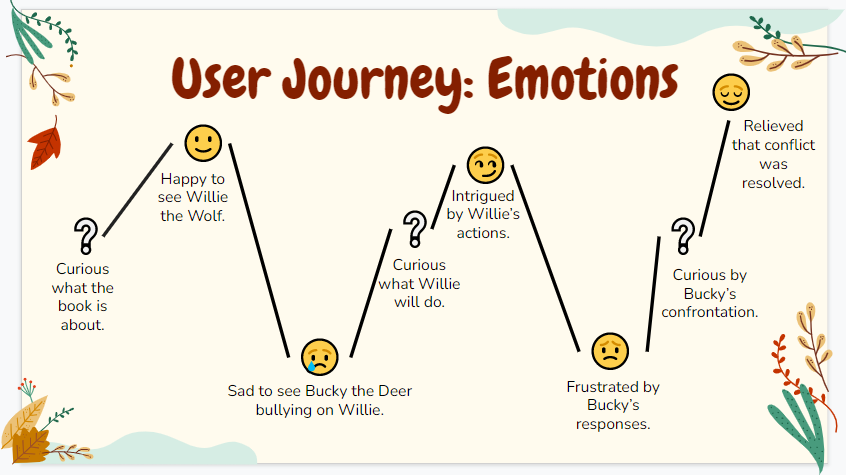
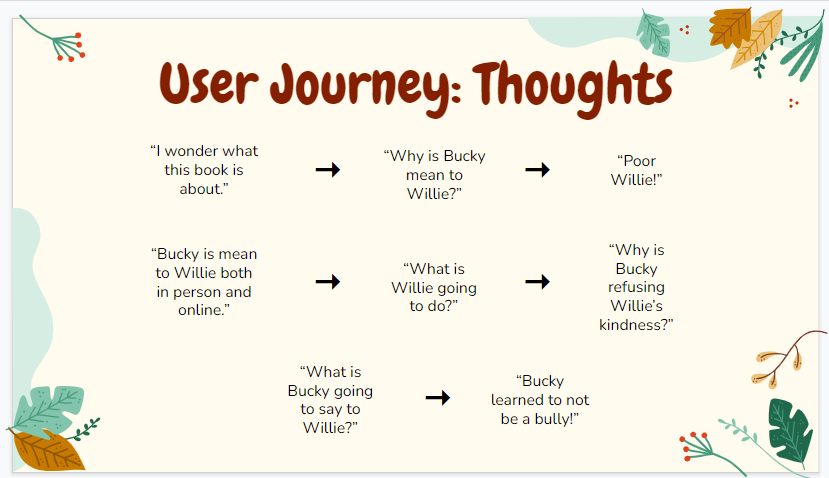
For our user journeys, we focused on the thoughts and emotions our target audience would be expressing as they progressed through the book.
Prototypes:
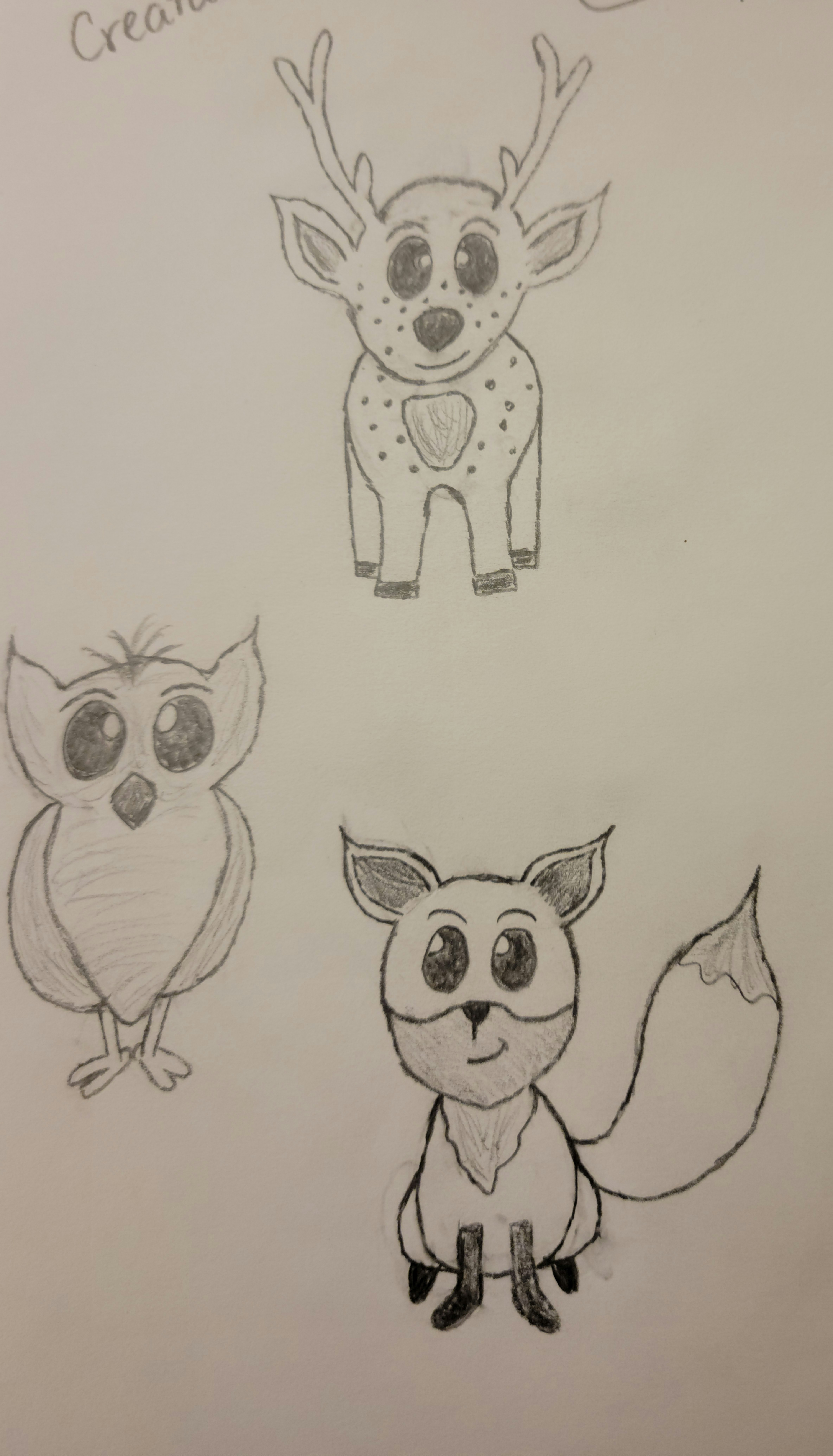
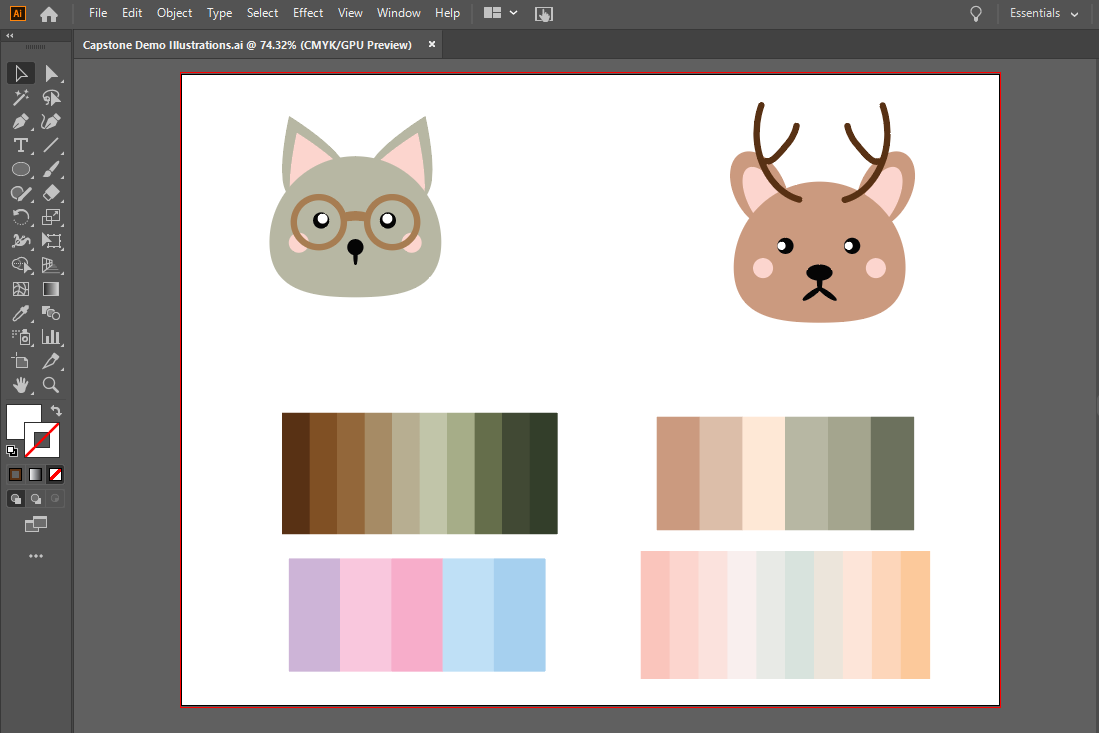
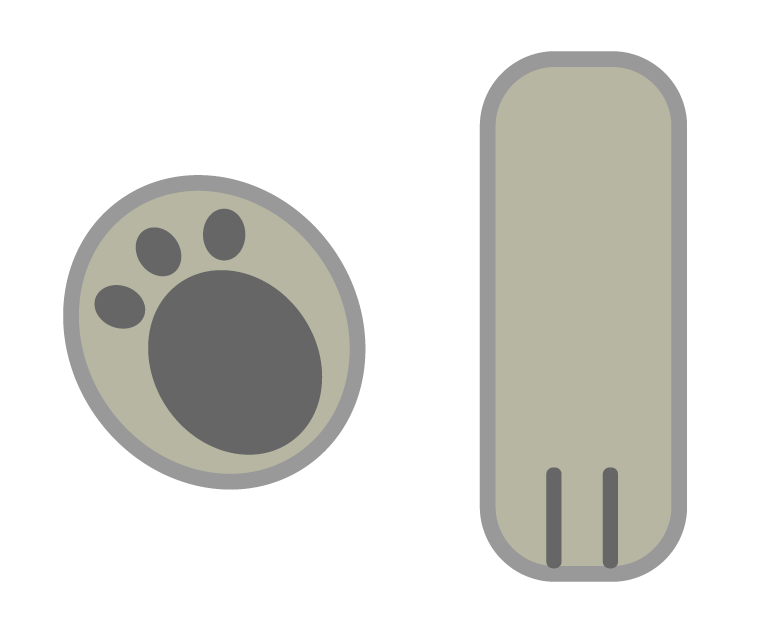
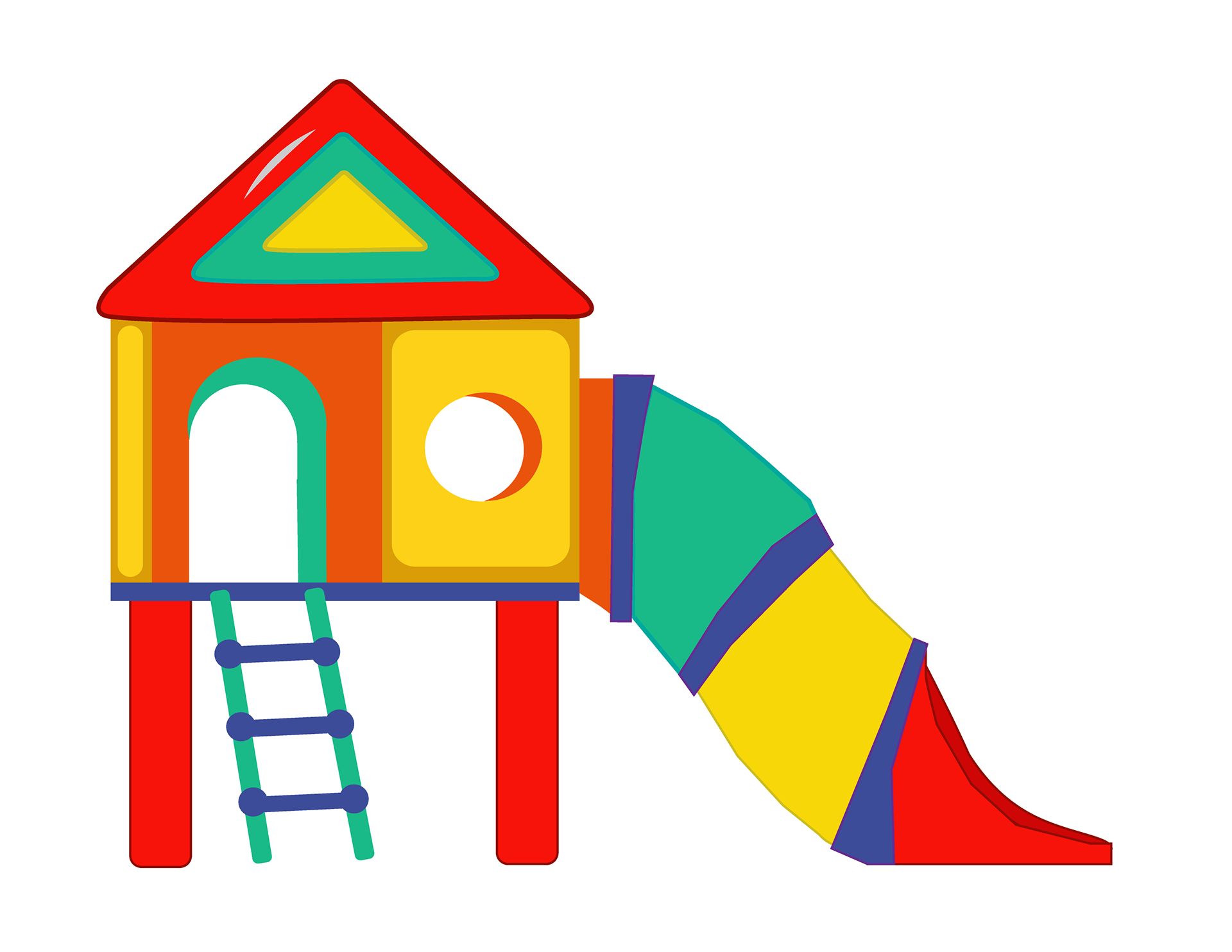
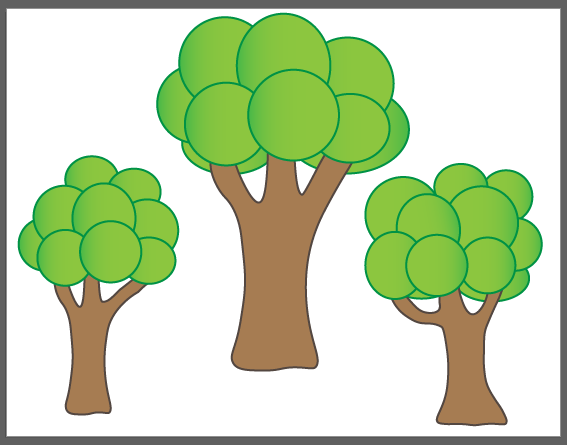
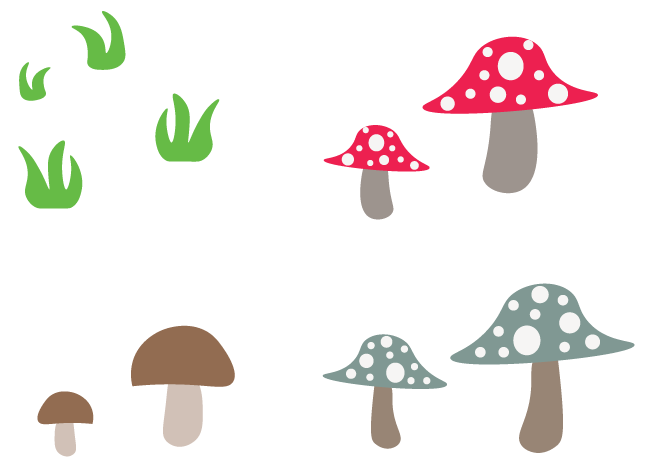
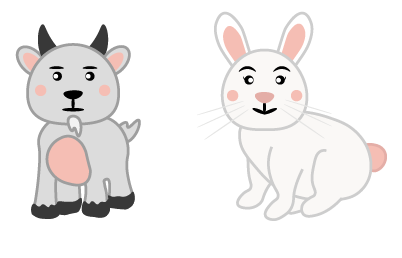
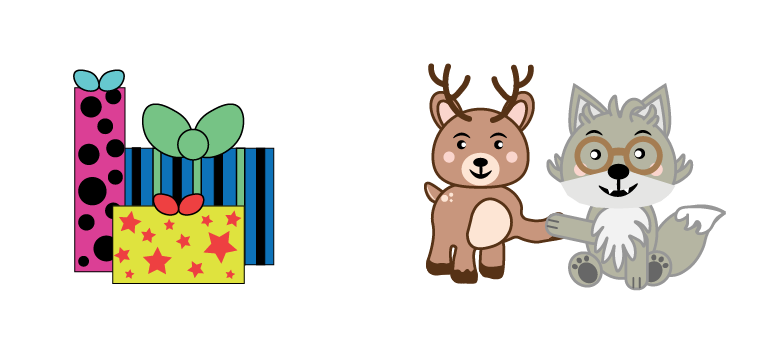
lllustrations:
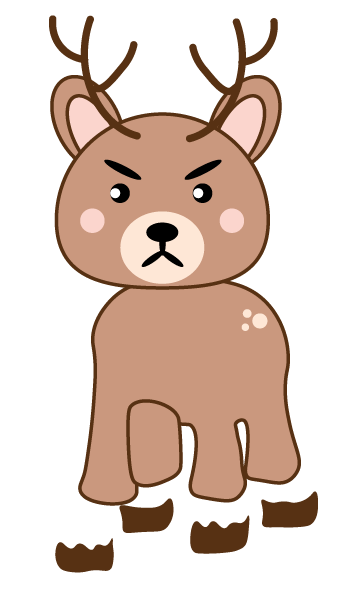
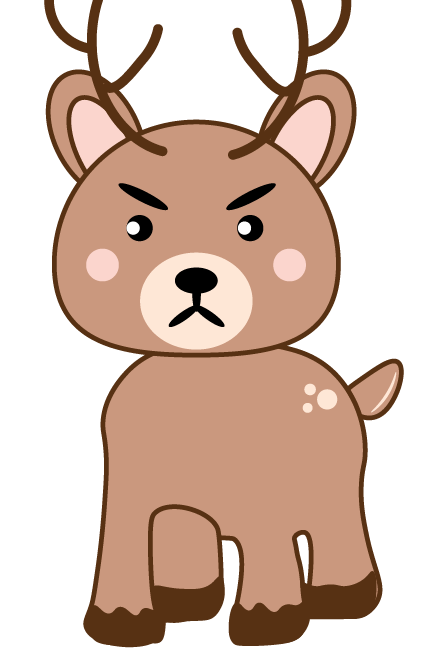
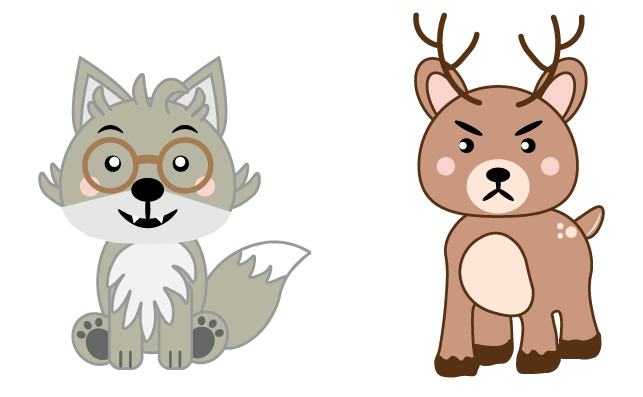
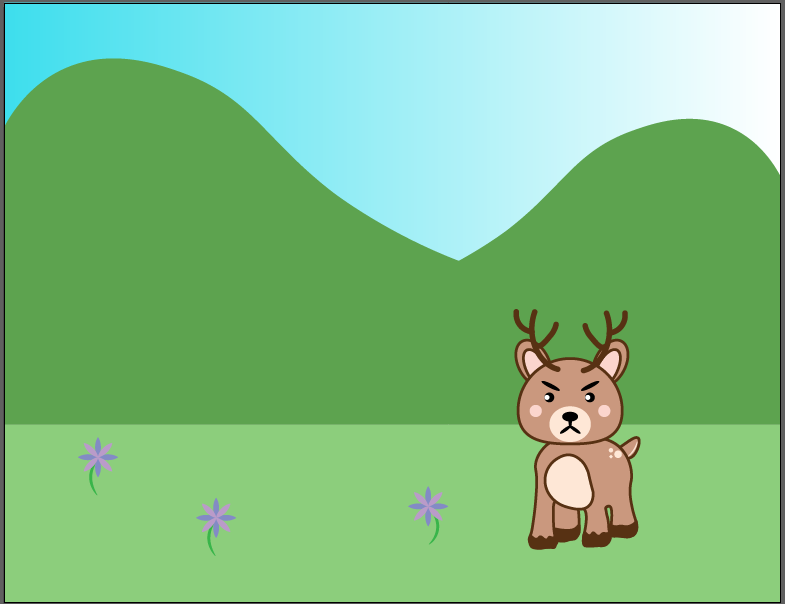
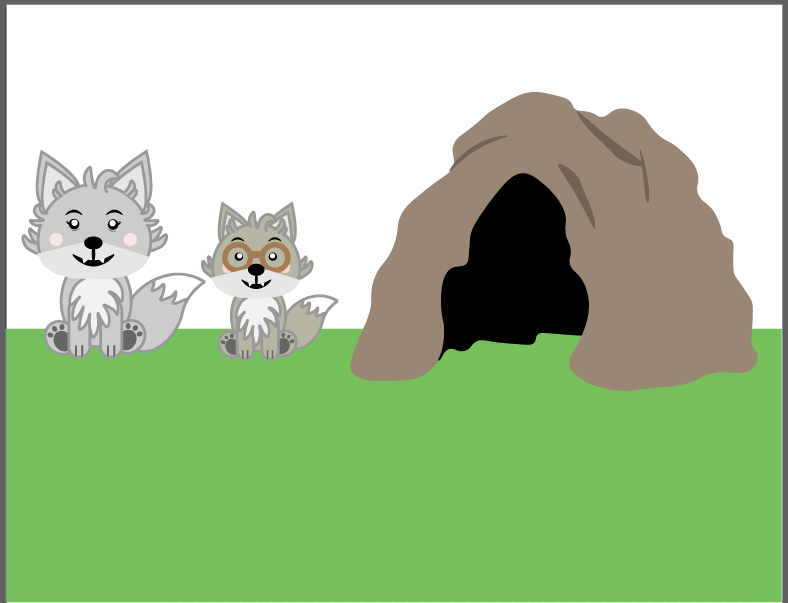
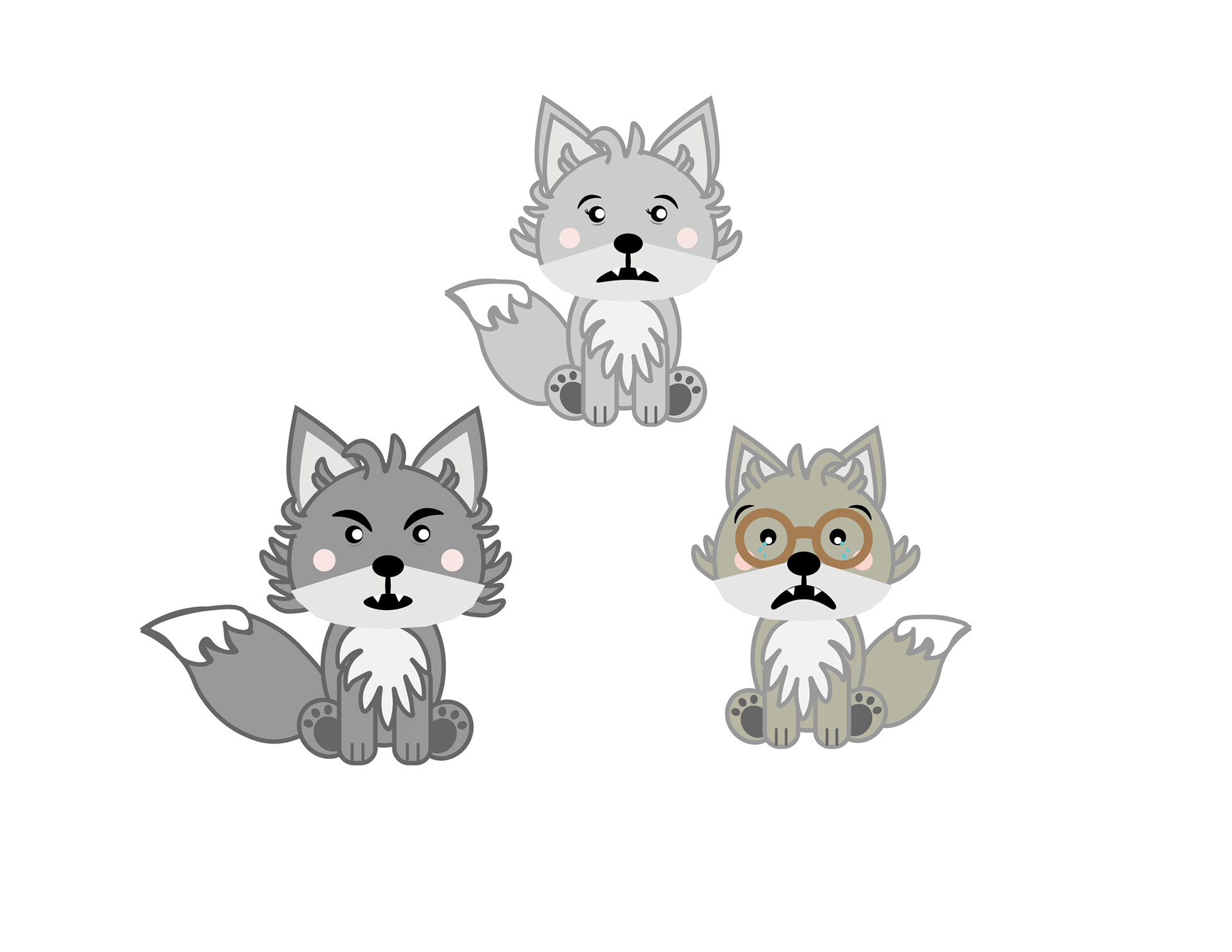
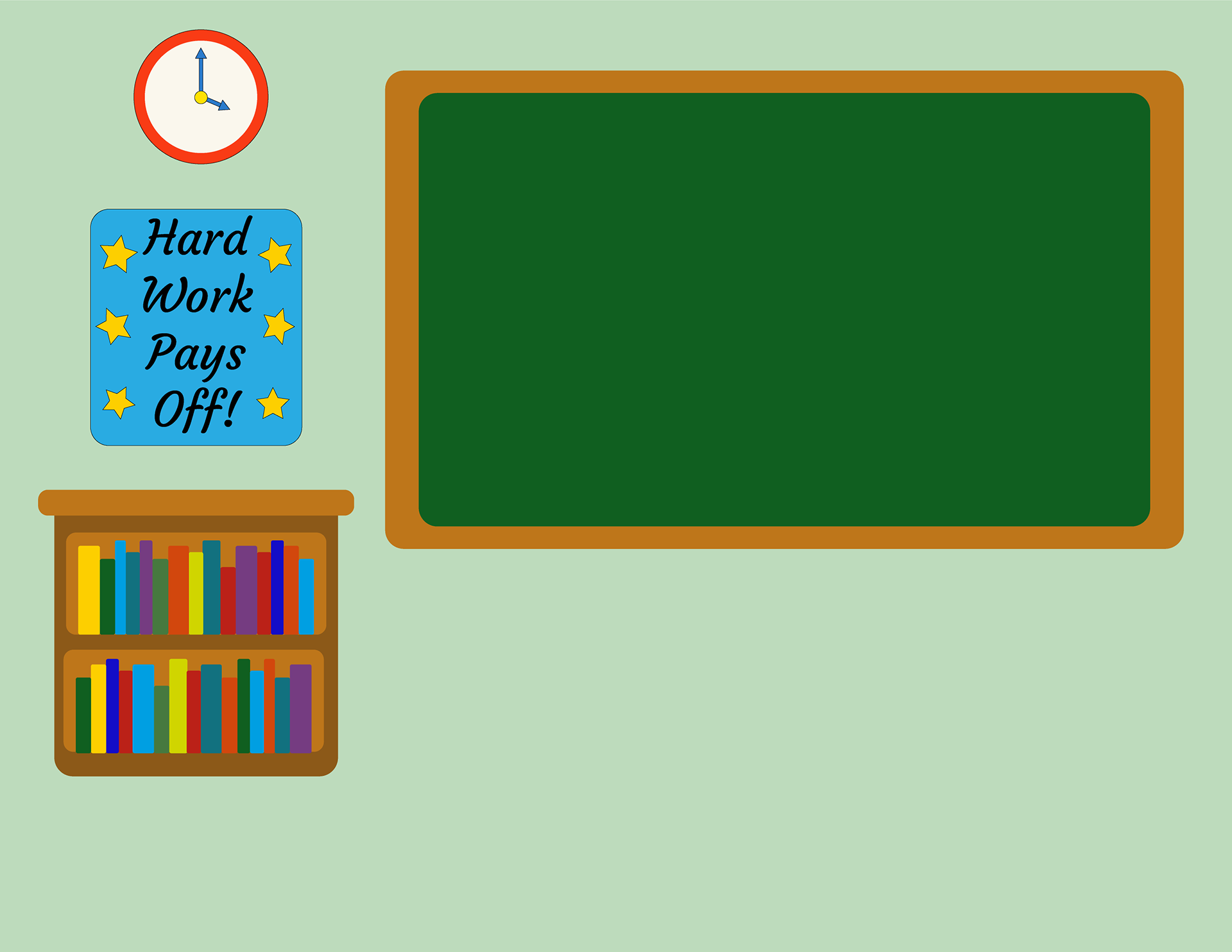
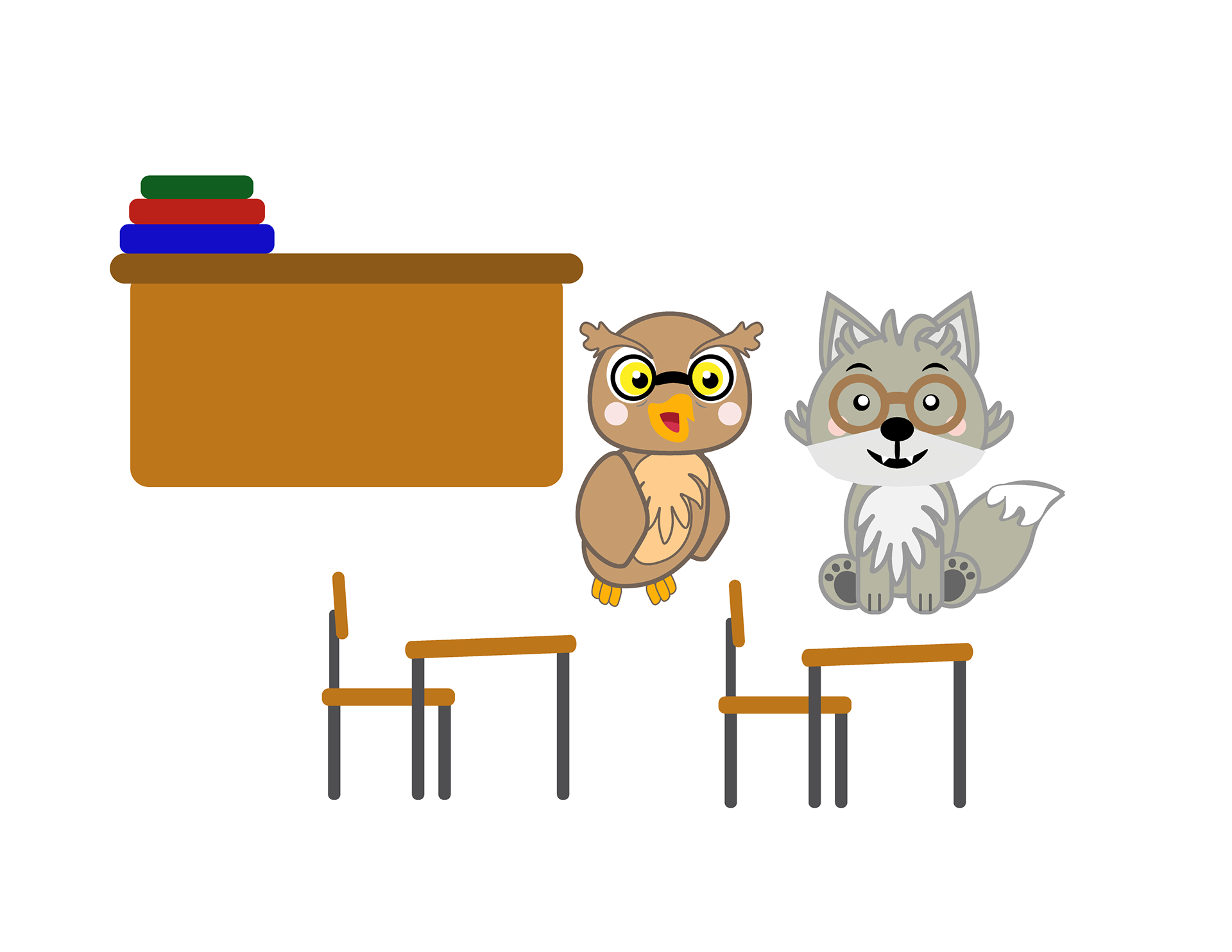
Pop-ups & Circuits:
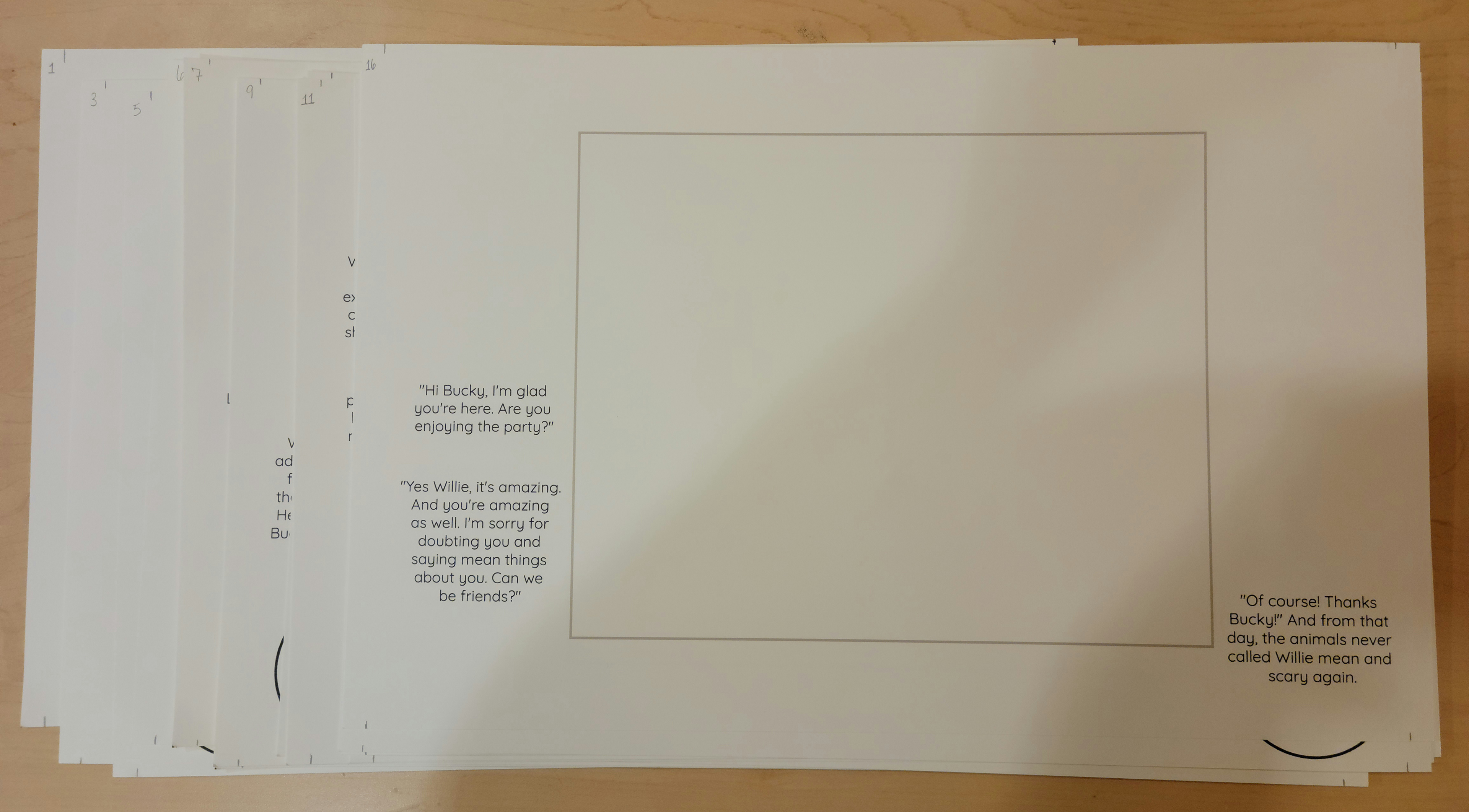
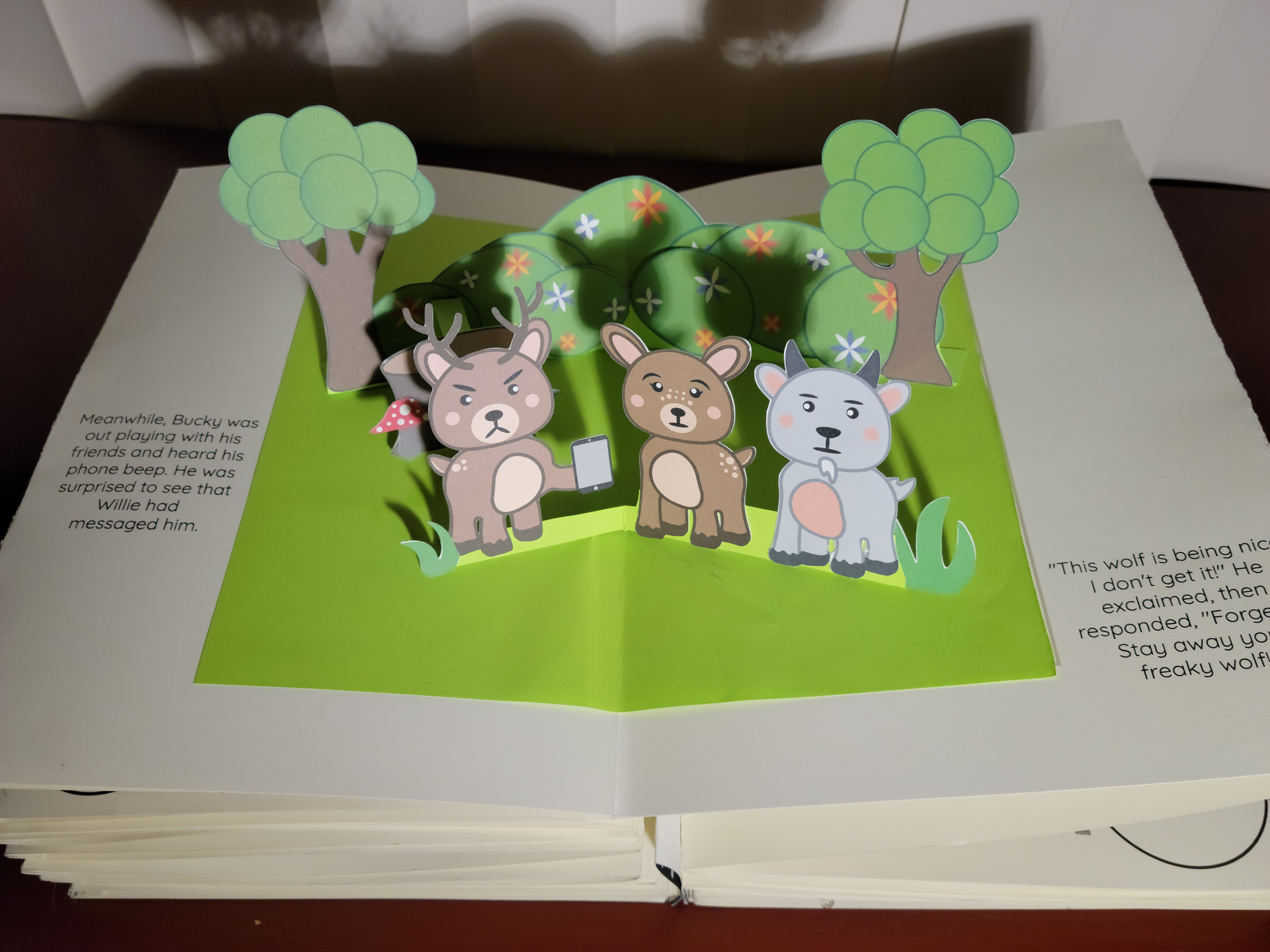
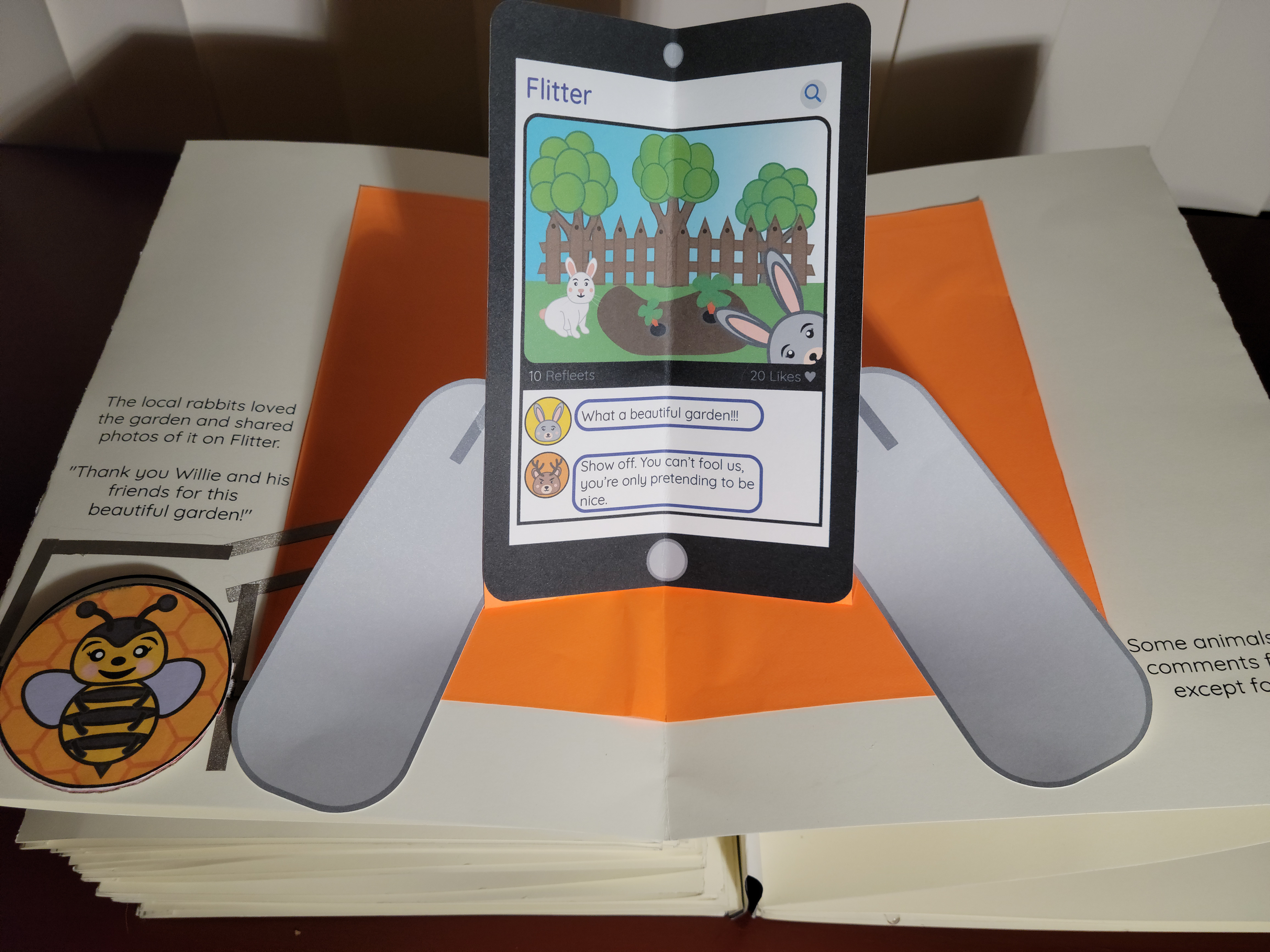
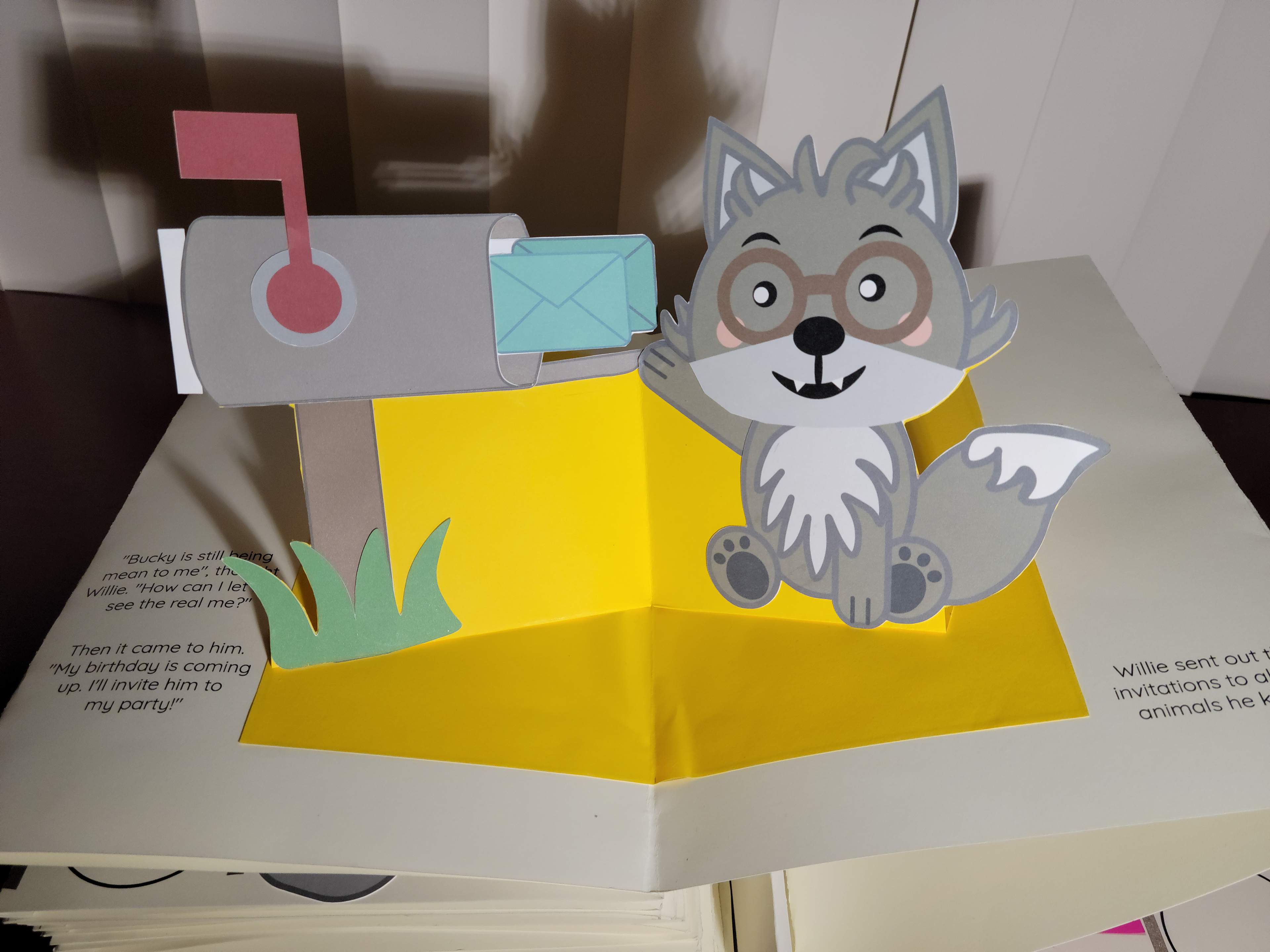
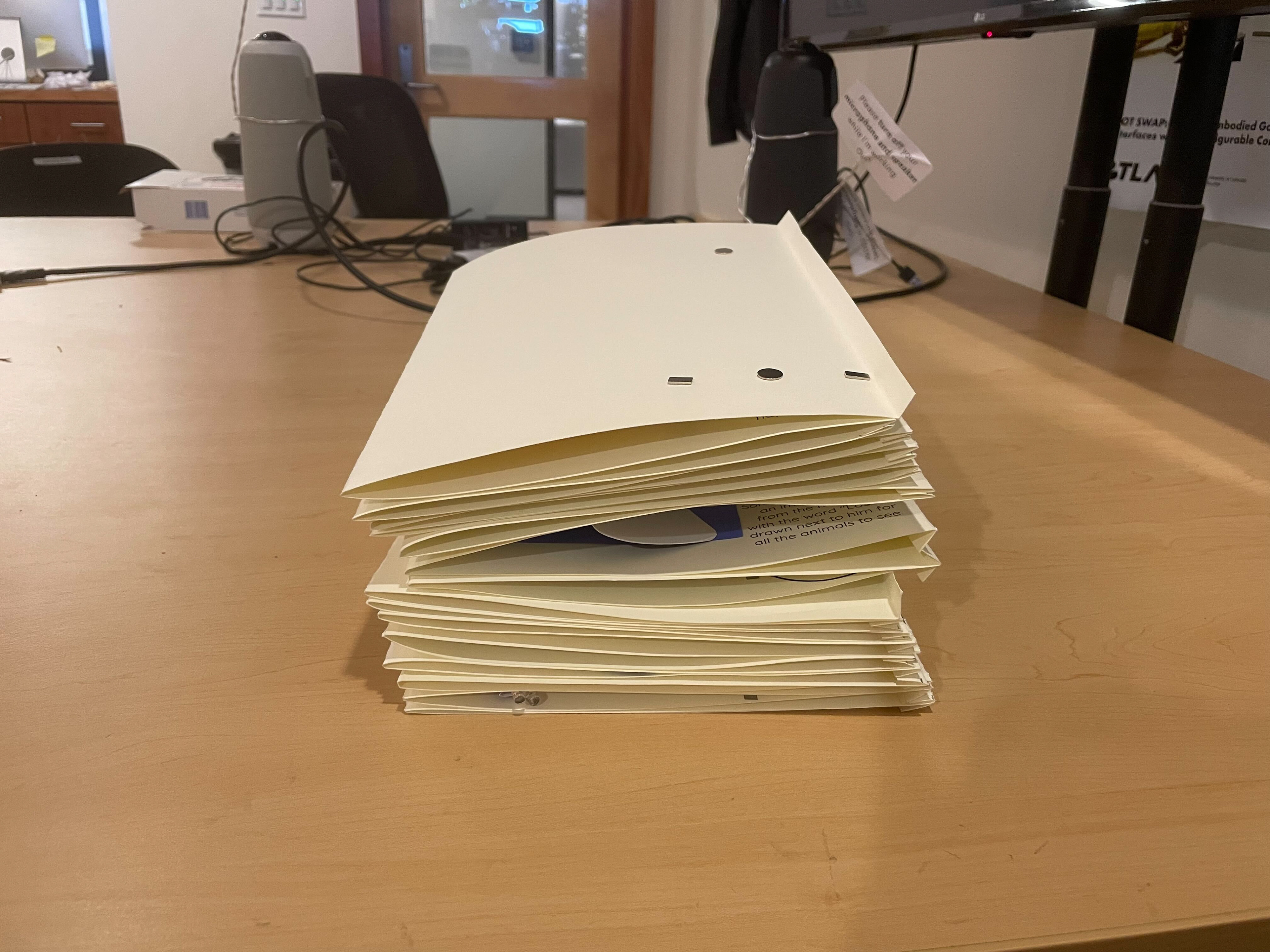
Final Pages:
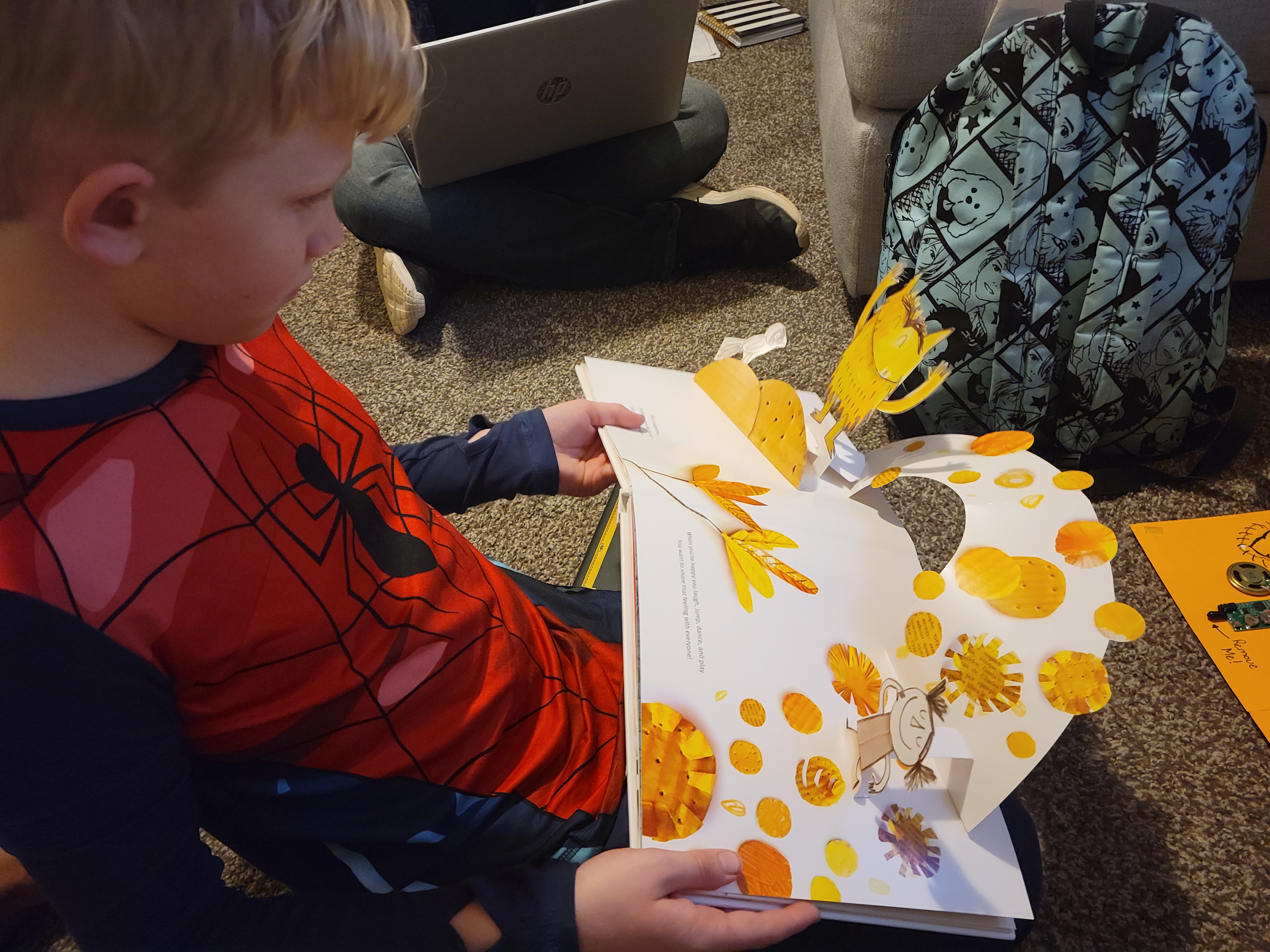
User Testing Round 2:
User Testing Round 3:
Final Prototype:
Evaluation & Thoughts:
This project was the cumulation of my undergraduate degree, and I am so happy with the end result. I learned a lot when it came to physical assembly, illustration, user testing with children, and more. This project brought me out of my comfort zone and really pushed me to enhance my skills as a researcher and designer.
If I had more time to work on this project, I would have explored options for a wider variety of interactions, as well as battery choices, other potential materials, and ways to make this concept easier to produce for wider production. There are very limited options on the market for interactive circuit books; with further exploration a product like this could really revolutionize the market for children's books.