Our goals for week 10 were to: try to get more user testing done, look into the PlayPosit for creating a survey for our project, gather new items we can use to test kids we already tested and try to reach out to them, continue on fabricating pages and book design, finalize circuit designs for various pages, and get feedback from mentors.
We looked into PlayPosit and definitely see this as a possible option if we cannot find anyone else to test on in person. We did get to user test with Thad (9 year old), and his response to the project was similar to others we tested. Even though we have only done a few user tests with our target audience, each child we tested on liked our book the best! We also got feedback from a teacher this week, and she also felt that this project is very strong, well put together, and could easily be used in a classroom setting for 8-10 year olds. We didn't feel like we had enough new materials to re-test on the kids we already interviewed with, so we reached out to Dr. Zamore to get potential candidates for user testing (Ruhan recommended we reach out to her). We talked to them briefly in person, but I went over all the details in the email I sent them.
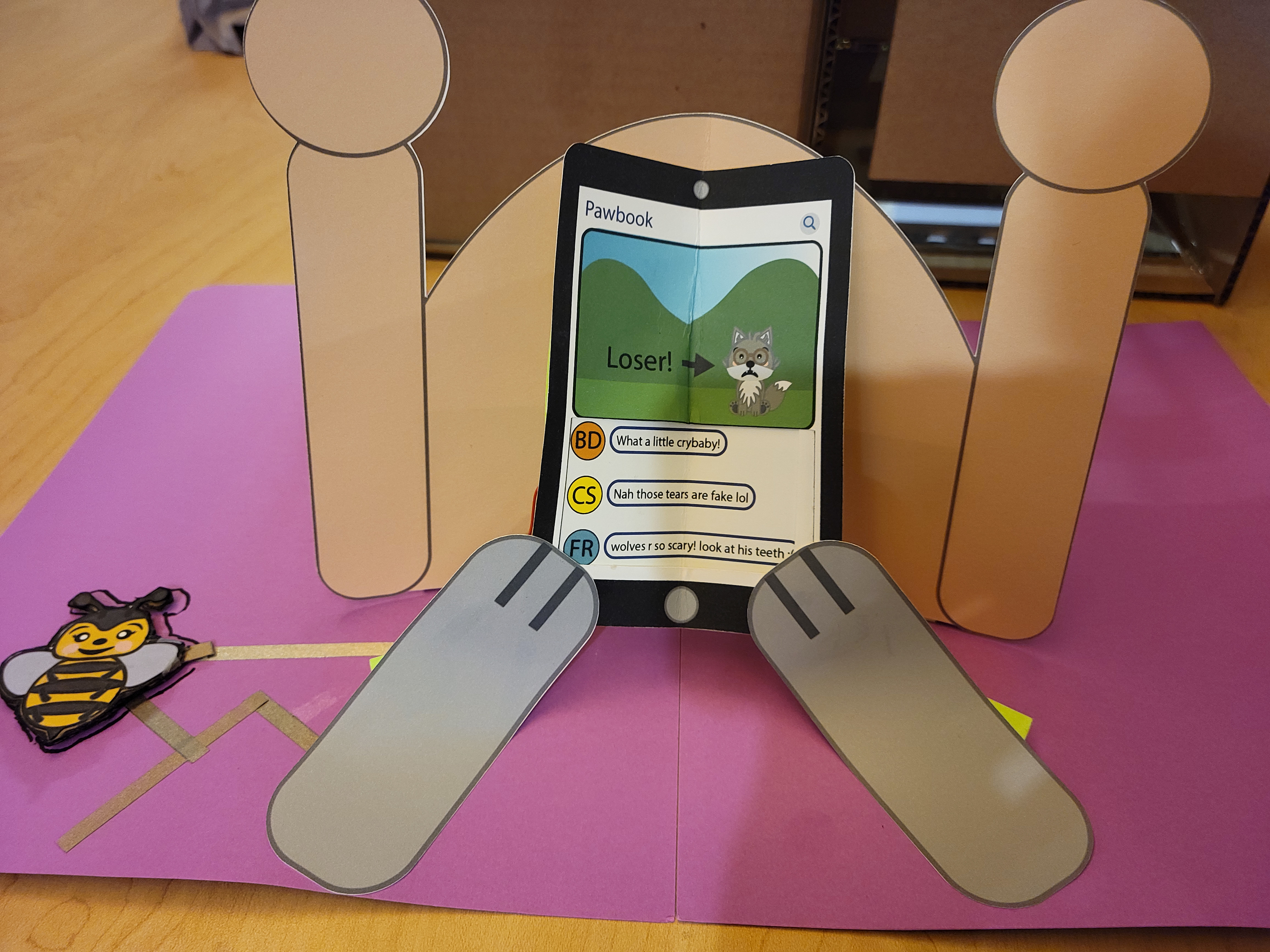
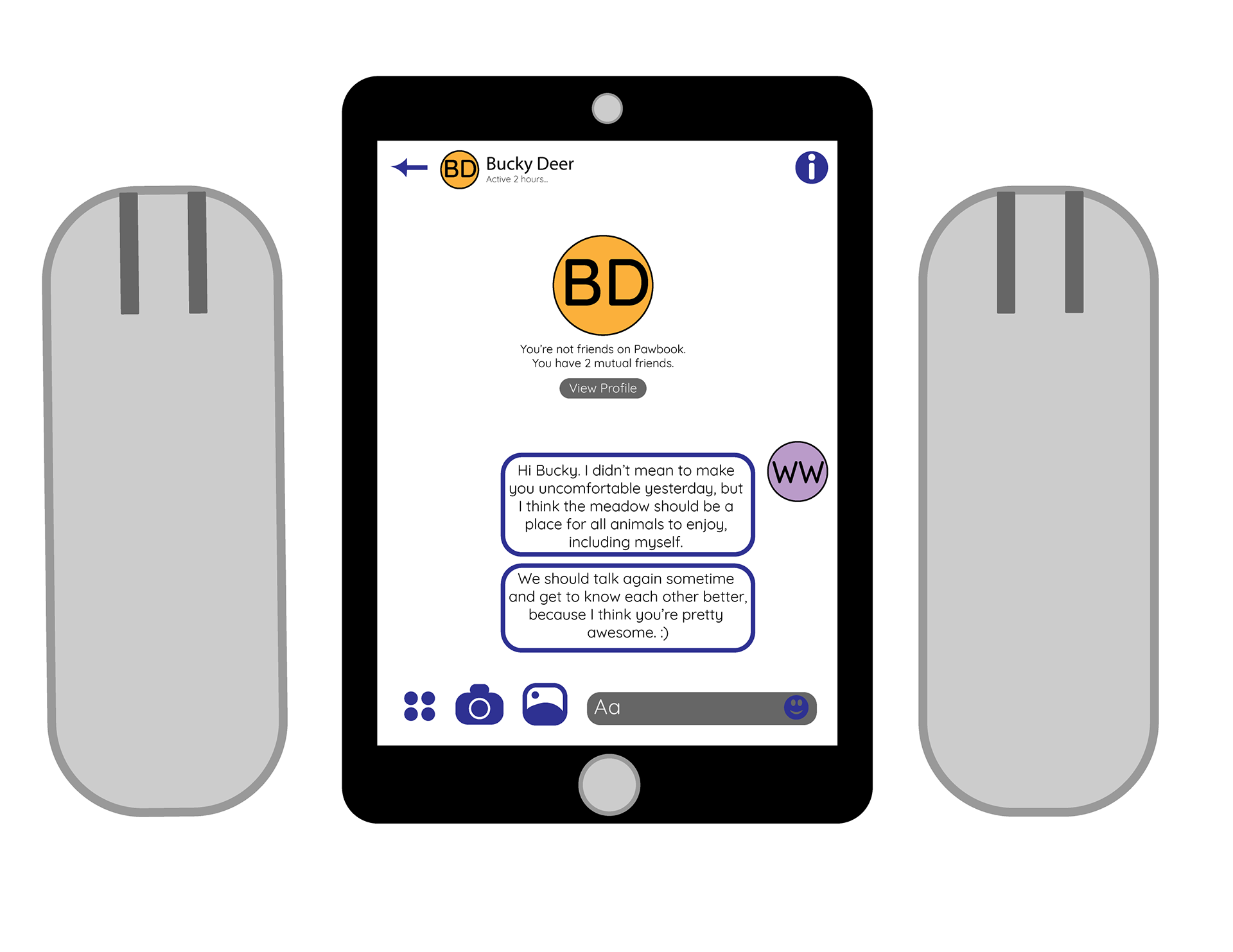
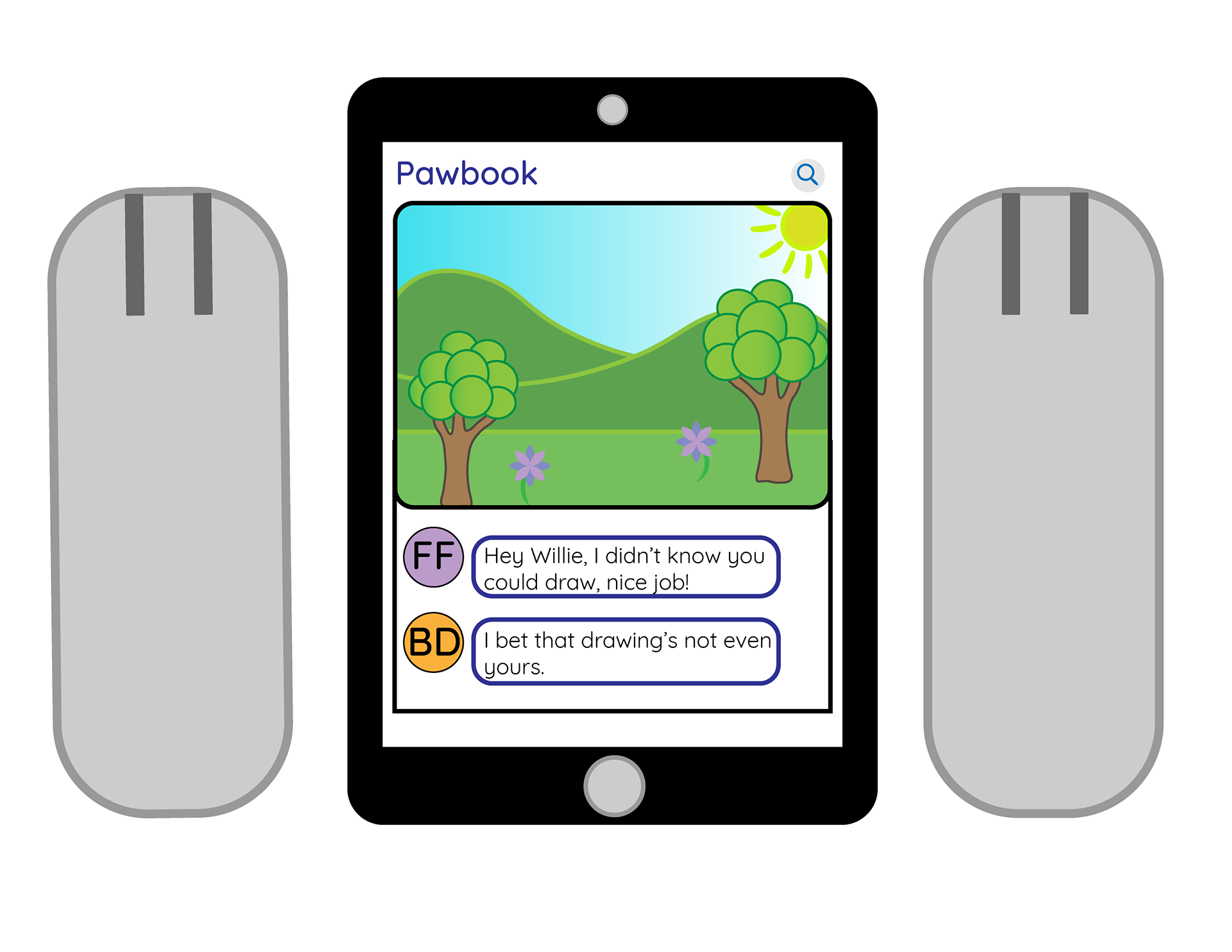
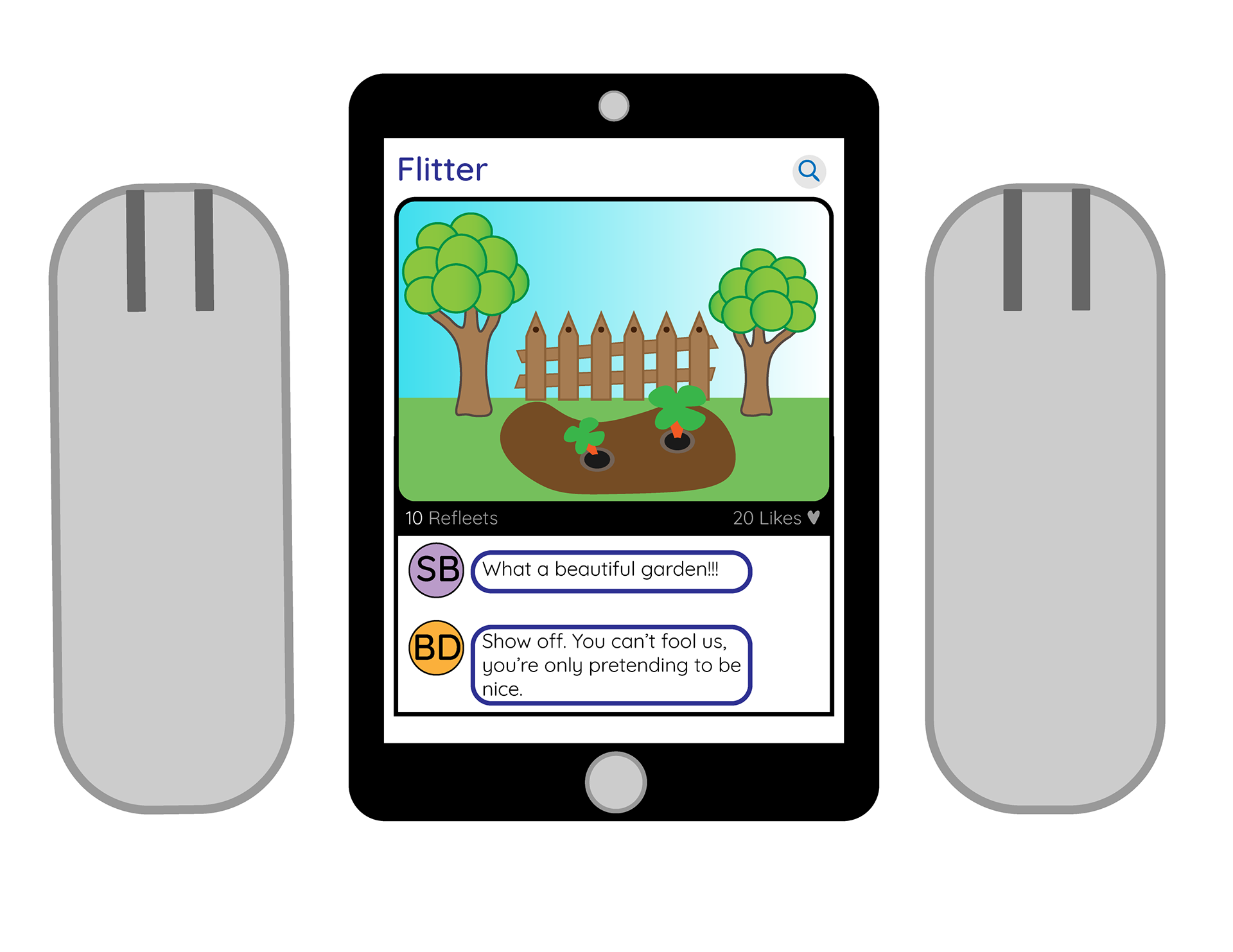
For illustration this week, Alexandra and I talked through any scenes we were still missing and what those scenes could look like. I went to work creating a few more tablets models and have a few more scenes and objects I am finishing this week. In addition, we plan to start building the book out with the scenes we already have figured out.
For fabrication this week, we created a few more pages with the bee circuit included. We figured out how to create a piezo vibration motor circuit for the buzzing of the phone, and we also did more testing on using a conductive pen. We found that the pen is difficult to complete a circuit with because the lines need to be pretty thick and complete throughout the whole circuit to work properly. We bought conductive paint, and we plan to test this out this week to determine whether we should use conductive paint or nylon tape for the final product.
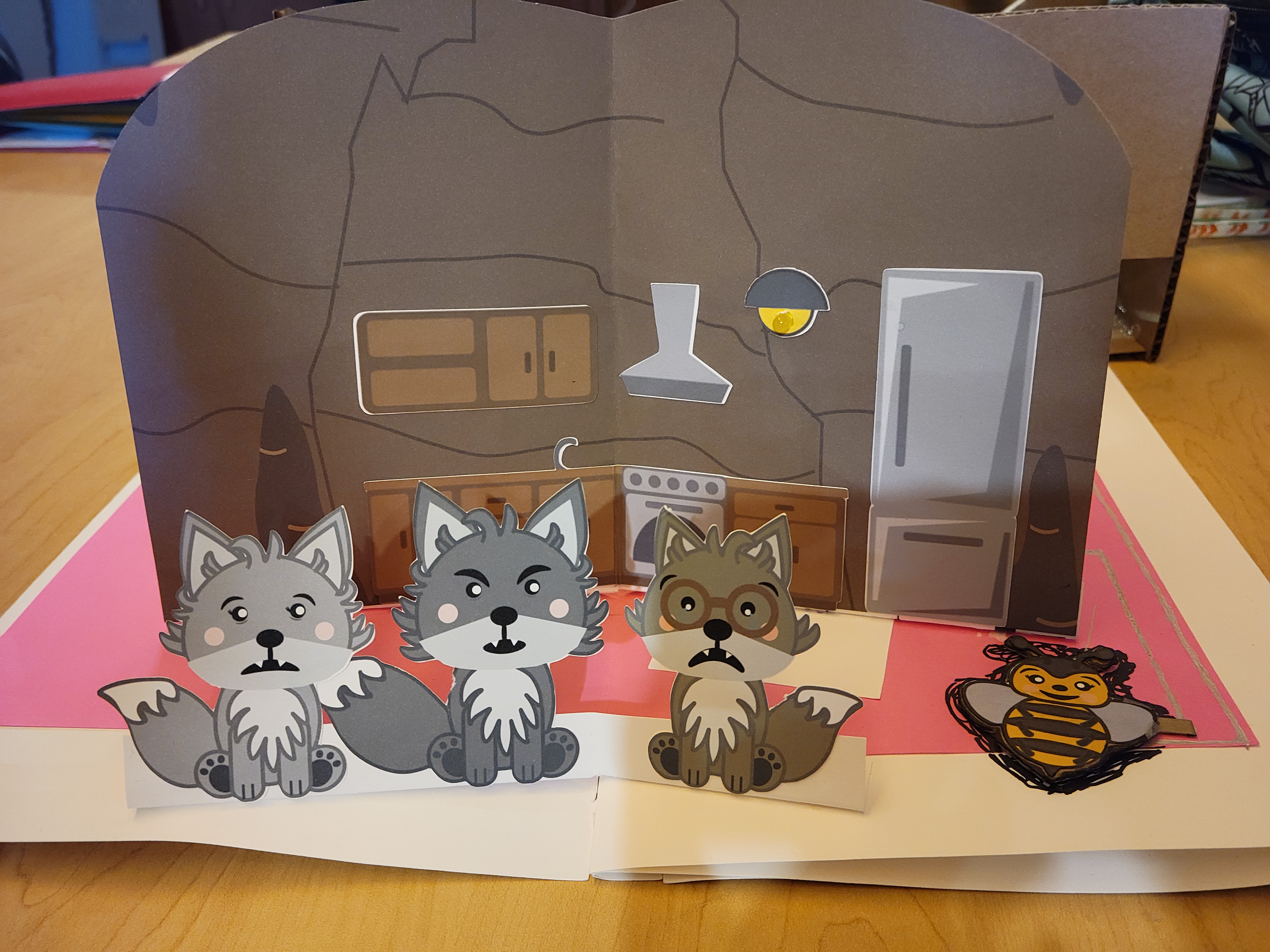
Based on what Ruhan taught us about connecting pages in a pop-up book, I connected my own couple pages (seen in the kitchen scene). This strategy wasn't too difficult, and I ordered 11 by 17 cardstock, so that we would not have to be taping all our pages together on the crease. Based on the simplicity of paper circuits, we will only be creating a couple different types of circuits: LED circuits and piezo vibration circuits. Though, we feel that even though we will only have two different types of circuits, the way the circuits are placed within the varying scenes will allow for children to keep from getting bored and stay entertained.